Tote Bag Emergency Kits That Actually Work
Aug 17, 2026
Why a tote bag belongs in your preparedness plan
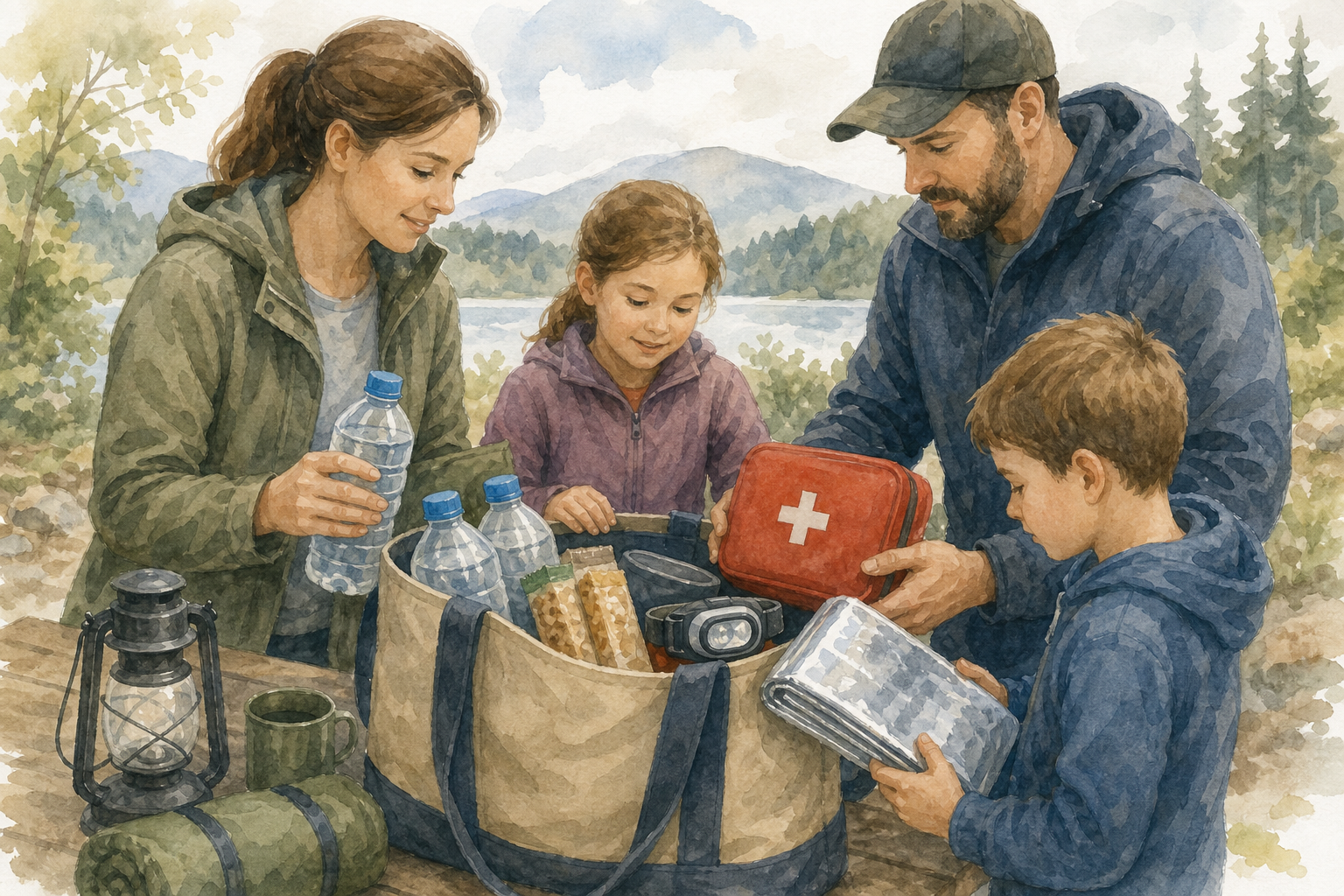
Tote bags are inexpensive, widely available, and surprisingly adaptable. They are unobtrusive for everyday storage, easy to grab on short notice, and affordable enough to keep one per person or per use case. When chosen and packed properly, a tote can serve as a short-term bug-in kit, a grab-and-go day bag, or a focused supply carrier for tasks like first aid, tool kit, or child-specific needs.
How to choose the right tote bag
Not every tote is equal for emergency use. Focus on these practical criteria.
Material
- Canvas: Durable and holds shape. Look for heavyweight canvas (10 oz or higher) if you expect abrasion or heavy loads.
- Ripstop nylon or polyester: Lightweight and quick-drying. Good when weight and packability matter.
- Insulated or cooler-style totes: Useful for medical supplies or short-term perishables.
- Water-resistant finishes: Prefer bags with polyurethane coating or water-resistant lining rather than untreated fabric.
Capacity and dimensions
- For a single-person 72-hour kit, aim for 15 to 25 liters or a bag about 12 to 16 inches wide and 14 to 18 inches tall.
- For a family tote, choose 30 to 50 liters or multiple smaller totes to distribute weight.
Handles, comfort and closure
- Handles: Wider handles reduce pressure. Look for reinforced stitching where handles meet the bag.
- Closure: Zippers keep contents secure and dry. A tote with a zippered top is preferable; a snap or flap is second best.
- Carry options: A crossbody strap or detachable shoulder strap makes longer carries more comfortable.
Structure
Bags with a reinforced bottom panel or the ability to accept a removable insert will stand up better and protect contents. Avoid flimsy, thin promotional totes for any heavy or sharp items.
Waterproofing and lining hacks that work
Most totes are not fully waterproof out of the box. These low-cost fixes keep supplies dry and organized.
- Plastic liner: Fit a heavy-duty trash bag or contractor bag inside the tote as a removable liner. Fold the top edge over the rim and tuck in the corners.
- Dry bags or roll-top liners: Use a small dry bag for critical items like electronics and documents.
- Zip-top bags: Pack individual supplies in gallon-sized resealable bags for extra protection and organization.
- Waterproof spray: For canvas totes, use a fabric waterproofing spray to reduce absorption. Reapply annually or after heavy exposure.
- Rigid base: Add a plastic cutting board or thin corrugated plastic insert at the bottom to keep the floor dry if the tote sits on wet ground.
Reinforcing and comfort upgrades
- Sew on or clamp a shoulder pad to reduce strap bite if you plan longer carries.
- Reinforce stitching at stress points with nylon webbing or by backstitching if you sew.
- Attach a clip or D-ring inside for keys, small tools, or a light to prevent them from sinking to the bottom.
- Use modular pouches so contents stay organized and you can move items between totes.
Modular packing lists: build a kit that fits your tote
Below are compact, practical lists that assume you want low-cost, reliable options. Adjust quantities for household size and specific needs.
Single-person 72-hour tote (core items)
- Water: two 16.9 oz bottles or one 1-liter bottle plus water purification tablets
- Food: 1,200 to 2,000 calories in energy bars or MRE-style meals
- Light: compact headlamp or reliable LED flashlight with spare batteries
- First aid: small kit with bandages, antiseptic, pain reliever, tweezers, blister care
- Warmth: emergency blanket or lightweight foil blanket
- Multi-tool and duct tape
- Hygiene: hand sanitizer, travel toothbrush, moist wipes
- Documents and cash: photocopies in a zip-top bag
Family of four grab-and-go setup
- Divide supplies across two totes: one for water and food, one for medical and comfort items
- Water: one gallon per person per day for three days stored in collapsible bottles or jugs
- Food: a mix of calorie-dense bars and ready-to-eat pouches; include kid-friendly favorites
- Child items: small toys, comfort item, child-size mask, any medications
- Pet add-on: collapsible bowl, leash, extra food in a sealed bag
Specialized totes
- Medical tote: enhanced first aid kit, prescription meds, copies of medical records
- Tool tote: small folding shovel, compact saw, flashlight, paracord, zip ties
- Baby or toddler tote: diapers, formula, wipes, change of clothes
Weight and comfort: practical limits
Keep individual totes under comfortable carrying weight. For most adults, 15 to 20 pounds is a manageable one-handed carry for short distances. For longer distances or uneven terrain, switch to a backpack or split supplies across two bags. When possible, store heavy items low and close to the body to reduce fatigue.
Where to find the best discounted tote bag deals online
Tote bags come in many forms that are useful for prepping. Look beyond fashion listings: search for grocery totes, reusable shopping totes, insulated cooler totes, heavy-duty canvas totes, and work totes. Practical retailers and approaches include:
- Major marketplaces: Amazon and similar marketplaces often have a wide range and frequent discounts. Filter by customer ratings and search terms like "heavy-duty tote" or "water-resistant tote".
- Outdoor and work brands: Look for ripstop or utility totes from outdoor or hardware brands for greater durability.
- Insulated cooler totes: Useful for meds or short-term perishables and frequently discounted in grocery and home categories.
- Retail overstock and seasonal sales: Reusable grocery totes often appear on clearance after holidays; insulated totes and canvas styles go on sale seasonally.
- Deal feeds and curated lists: Use a curated deal feed to save time. A focused feed can surface recent discounts with the discount percentage, current price, and retailer source so you can pick the best value quickly.
Maintenance, rotation and storage
- Replace food and water on a regular schedule and check dates every 6 to 12 months.
- Wipe out and air-dry the tote after wet use before restocking.
- Store totes in an accessible location and label them by purpose so anyone in the household can grab the right one quickly.
Minimal checklist to print or copy
- Water
- Calorie-dense food
- Light and batteries
- First aid
- Warmth
- Small multi-tool
- Personal items and documents
Keep the checklist in a zip-top bag inside the tote so you can check items quickly before leaving or replenishing supplies.
A founder-level note on efficiency
Preparing this guide started with a simple question: how can everyday items be repurposed for real readiness without complexity or high cost? The idea was not to create dramatic gear lists but to make preparedness accessible through smart, small investments. That same commitment to practical efficiency is why curated deal discovery matters: saving time finding useful, discounted options makes building and maintaining kits realistic for busy families.
For people who want to keep things lean, start with one well-equipped tote per adult and scale from there. Test your setup with a short practice carry to confirm comfort and accessibility.
Where to go next
When shopping, prioritize function over fashion: reinforced bottoms, water resistance, and secure closures are the most valuable features for a prepping tote. If you want faster sourcing, a focused deal feed that highlights current discounts and the retailer can cut hours of searching down to minutes and point you to affordable, rugged options when sales appear.
FAQ
Can a tote bag replace a backpack for bug-out situations?
A tote can work for short, local evacuations or as a secondary utility bag, but for extended or long-distance bug-out situations a backpack designed for load distribution is better. Use a tote for quick grabs and short carries.
How do I keep heavy items from damaging a tote?
Use a rigid base insert, distribute weight across multiple smaller bags, and reinforce handles with webbing or by sewing if necessary. Avoid placing sharp items directly against the fabric.
Are insulated totes worth it for prep use?
Yes for short-term perishable storage and for transporting medications that require temperature control. They are also useful for keeping liquids and food from extreme temperature swings during short outages.
For fast, practical prep buys, focus on function, test your setup, and replace items on a schedule. A clear, affordable tote can be the most effective low-cost step toward household resilience, and curated deals make that step even easier to take.
Discover More Featured Deals
Explore our hand-picked selection of the best deals, curated daily just for you.