Best Portable Water Storage Containers Deals
Apr 17, 2026
A cheap water container is only a deal until the handle snaps, the cap leaks, or the plastic taste makes you avoid using it. That is why portable water storage containers deals are worth looking at with a little more scrutiny than the average camping accessory markdown. For preparedness buyers, this category sits in the sweet spot between daily utility and emergency necessity.
If you are building out home backup supplies, vehicle kits, or a simple grab-and-go setup, water storage is one of the few purchases that can solve multiple problems at once. It covers short-term outages, road delays, campsite use, and basic sanitation when the tap is not an option. The trick is knowing which discounts are actually useful and which ones just move low-grade gear.
What makes portable water storage containers deals worth watching
This category gets overlooked because it is not flashy. People will comparison-shop power stations for a week, then toss a random water jug into the cart because it is 30% off. That usually leads to buying the wrong size, the wrong shape, or the wrong material.
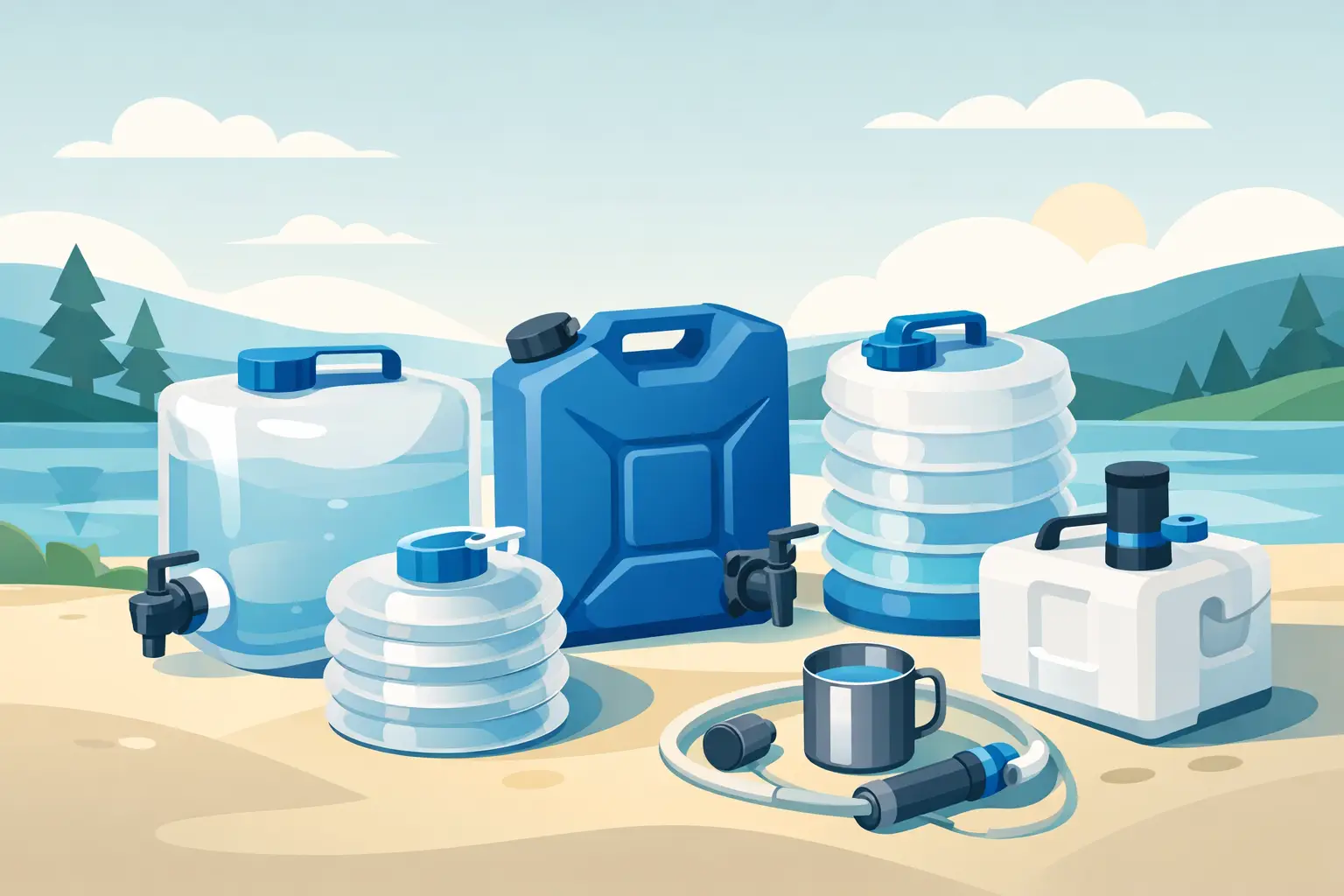
Good portable containers earn their space because they solve a storage problem cleanly. A rigid 5 to 7 gallon container can cover short outages at home, but it is heavy when full and awkward in smaller vehicles. A collapsible container is easier to stash and usually cheaper on sale, but it may not hold up as well for repeated use or rough transport. A stackable design looks efficient on paper, yet it only helps if the cap, spout, and footprint are actually practical for your shelves or trunk.
That is why the best deals are not always the deepest discounts. The right buy is the one that fits your use case before the emergency happens.
How to judge portable water storage containers deals fast
A lot of shoppers only look at capacity and price. That is a start, but not enough. For preparedness buying, you want to screen these containers the same way you would screen any other core supply item - by failure points first.
Capacity changes the value more than the discount
A 20% discount on a durable 7 gallon container can be better than a 45% discount on a flimsy 2.5 gallon option. Larger sizes often give you a better cost-per-gallon, but they also get heavy fast. Water weighs a little over 8 pounds per gallon, so a full 7 gallon container can push close to 60 pounds once the container itself is included.
For a household backup setup, that can still make sense. For elderly users, apartment dwellers, or anyone planning to move water by hand, smaller containers often win even if the per-gallon math looks worse.
Material matters more than branding
Food-grade plastic is the baseline. If a listing is vague about materials, that is a warning sign. Better containers usually make this clear and often mention BPA-free construction, thicker walls, or suitability for potable water.
This is one of those categories where generic can be perfectly fine, but only if the build details are solid. A premium brand name does not automatically mean the spigot is better or the seams are stronger. On the other hand, rock-bottom pricing sometimes means thin plastic that deforms in a hot garage or develops leaks after one season.
Cap design and spigot quality decide whether it is usable
People underestimate lids until they have to pour water in the dark or after a storm. Wide-mouth openings are easier to fill and clean. Integrated spigots are convenient, but they can also be the weakest point on the whole unit.
If the product is intended for both transport and dispensing, look closely at how the spout stores, seals, and threads. A good deal on a container with a bad cap is not a good deal.
The main container types and where the deals usually show up
Not all portable water storage containers deals are for the same kind of buyer. The best value depends on whether you are storing at home, carrying in a vehicle, or packing light.
Rigid jugs for home backup and vehicle use
These are the standard preparedness option for a reason. They are usually durable, easy to stack in some cases, and better for repeated filling and use. Sales on rigid jugs tend to be strongest outside peak storm seasons, when general outdoor and camping inventory gets discounted.
The trade-off is space. If you live in a smaller home or keep a tight vehicle setup, empty rigid containers still take up room. They are best when you already know where they will live.
Collapsible containers for low-space storage
These are appealing because they fold down and often come in multi-packs at attractive prices. For beginners, that can make them a smart entry point. You can tuck them into a closet, tote, or emergency bin without giving up much room.
The trade-off is lifespan. Some hold up well, especially for occasional use. Others feel disposable after a few fill cycles. If the discount is steep, check whether it reflects genuine value or just a lower durability tier.
Jerry-can style containers for rougher handling
These tend to appeal to users who want sturdier carry handles, better balance, and a more secure feel in transit. They are often a stronger fit for truck kits, cabin use, and repeated movement. Deals here can be less dramatic, but the products are often more purpose-built.
If you are rotating water regularly or moving containers often, paying a little more for this style can save money over time.
When a sale price is actually good
Preparedness shoppers get burned when they focus on the red discount badge instead of the price history. A container that drops from an inflated list price is not the same as a container that hits a real low compared with its usual selling range.
A good deal usually checks three boxes. The price is meaningfully lower than normal, the design fits a realistic use case, and the product specs are specific enough to trust. If one of those is missing, it is probably just another listing in a crowded category.
Bundles can be especially tricky. A two-pack or four-pack may look like a strong value, but if each container is too small, too fragile, or missing a practical spout, you just bought more of the wrong thing. Multi-packs make the most sense for apartment closets, family kits, and lightweight redundancy, not as a substitute for one properly sized primary container.
Smart buying mistakes to avoid
A common mistake is buying for the most extreme scenario rather than the most likely one. If your real need is keeping a few gallons on hand for a 1 to 3 day outage, you do not need a bulky setup that is miserable to move and impossible to store. Another mistake is assuming camping gear and emergency gear are the same. There is overlap, but not every campsite water bag is built for long-term readiness.
It also pays to think about where the container will sit. A great shape for a garage shelf may be a terrible shape for a sedan trunk. A large jug with one top handle might be fine for lifting from the floor, but awkward when pouring into smaller bottles or cooking pots.
One more thing people skip is cleaning access. If you cannot clean and dry the container easily, you are less likely to rotate it. That turns a good purchase into dead weight.
Why this category fits deal-focused preparedness buying
Portable water containers are one of the better categories to buy on discount because the design differences are visible and practical. You can usually tell whether a listing makes sense by looking at the size, opening, handle layout, and dispense method. You do not need endless marketing copy to know whether it belongs in your setup.
That is also why curated deal tracking helps here. A focused feed like BestPrepping.Deals cuts through the junk by surfacing products that actually belong in a preparedness conversation, instead of forcing you to sift through every random outdoor listing on a major marketplace. For shoppers who care about readiness and price, that time savings matters.
A better way to shop this category
Start with the problem you need to solve. If you want emergency household water on a budget, prioritize durable rigid containers in a manageable size. If storage space is tight, watch for collapsible options but be more selective about build quality. If the container will ride in a truck, trailer, or bug-out setup, pay closer attention to shape, seal quality, and how stable it stays when full.
Then let the discount work for you, not the other way around. A practical 15% to 25% markdown on the right container often beats a flashy half-off listing that will disappoint the first time you rely on it.
Water storage is not the most exciting prep purchase, and that is exactly the point. The best gear in this category does its job quietly, stores cleanly, and does not make you think twice when you need it. If a deal helps you get there for less, that is money well spent.
Discover More Featured Deals
Explore our hand-picked selection of the best deals, curated daily just for you.