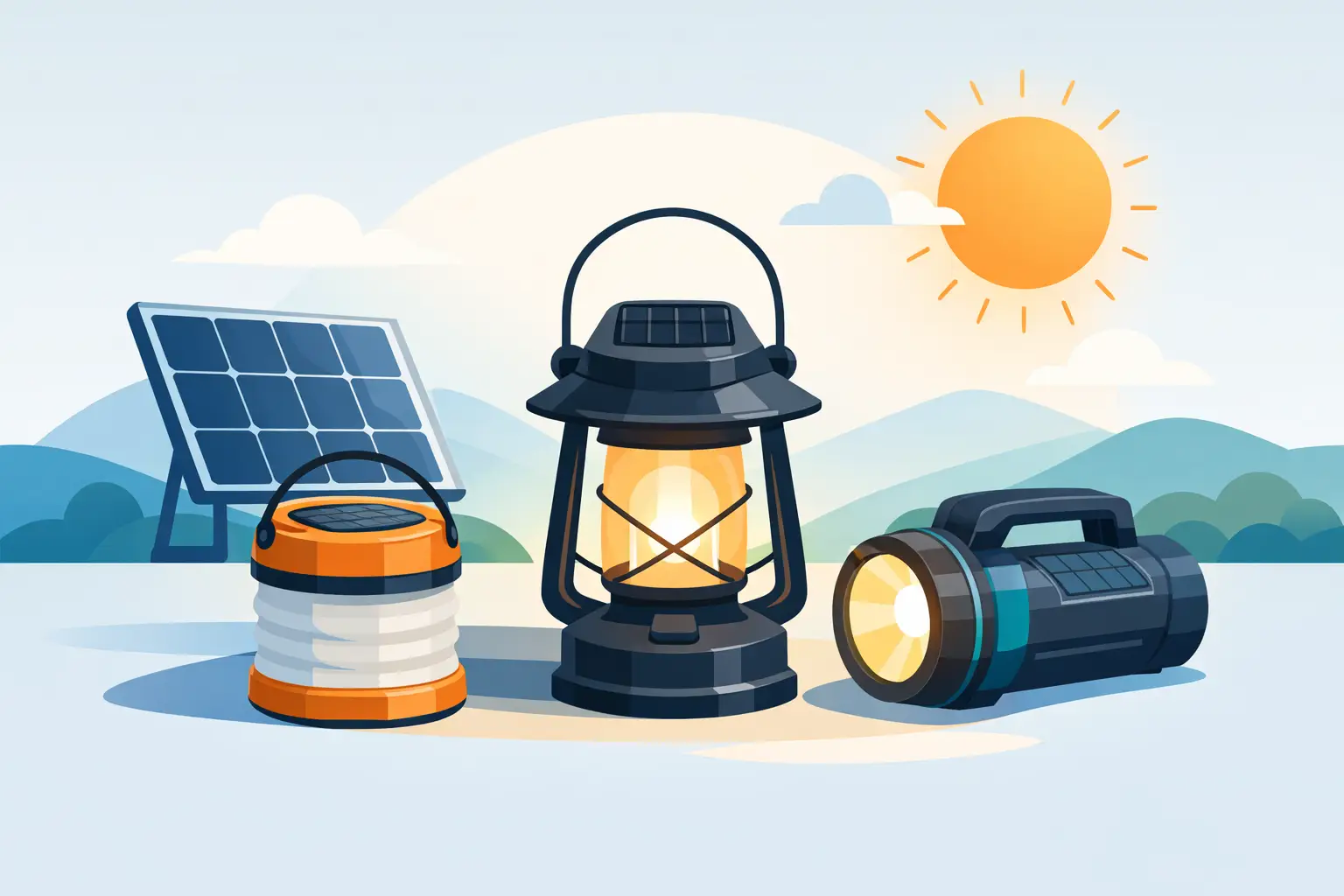
Solar Lantern Deals That Are Worth Buying
Apr 19, 2026
A cheap lantern is easy to regret at 2 a.m. when the power is out, the batteries are dead, and the light barely covers a hallway. That is why solar lantern deals are worth a closer look than the price tag alone. If you are buying for emergency kits, storm season, or backup lighting around the house, the real value comes from runtime, charging options, and whether the lantern still works when conditions are less than ideal.
Why solar lantern deals can be genuinely useful
Solar lanterns sit in a practical middle ground between flashlights and larger power solutions. They are simpler than managing a full battery station, but they are more room-friendly than a narrow-beam flashlight when you need to cook, sort supplies, or keep a bathroom or bedroom lit during an outage.
For preparedness shoppers, the appeal is obvious. A solar lantern can recharge without disposable batteries, which matters if stores are cleaned out or you are trying to reduce the pile of battery types in your supply cabinet. For camping and outdoor use, the same lantern can pull double duty at a campsite, in a vehicle kit, or on a back patio when the grid goes down.
That said, not every deal is a good deal. A weak panel, low-capacity battery, or exaggerated brightness claim can turn a discount into wasted money. The best buys are usually the ones that balance price with a few core features that actually matter in real use.
What to check before you jump on solar lantern deals
Brightness matters, but it is not the whole story. Many shoppers lock onto lumen numbers because they are easy to compare. The problem is that a lantern with very high claimed brightness may only hit that output briefly, or it may drain fast on the highest mode. For home outages, moderate and steady light is often more useful than a short burst of intense light.
Runtime is where better products separate themselves. A lantern that runs for many hours on a low or medium setting is usually more practical than one that advertises a huge brightness figure but fades quickly. For emergency use, long low-mode performance is often the feature you will appreciate most.
Charging flexibility is another big factor. Pure solar charging sounds great, but depending only on the sun can be limiting, especially after storms, during winter, or if the lantern is stored indoors and forgotten until you need it. The more useful models often include USB charging alongside solar input. That gives you options. You can top them off from a wall charger, vehicle adapter, or power bank before a storm, then use solar to extend runtime later.
Durability also deserves more attention than it gets. A lantern for preparedness should handle basic abuse. That does not mean every buyer needs expedition-grade gear, but it should survive storage, travel, and the occasional drop. Water resistance matters too, especially if the lantern may live in a car trunk, garage, or camp tote.
Then there is form factor. Some collapsible lanterns are compact and easy to stash in bins or bug-out bags. Others are better as home backup lights because they are larger, steadier, and easier to carry from room to room. Neither style is automatically better. It depends on whether you are buying for a family blackout kit, a glove box, or a campsite.
The biggest mistake people make with solar lantern deals
They buy for the idea of solar, not the reality of use.
A lot of low-cost lanterns are marketed as if the solar panel alone will keep them going indefinitely. In real life, panel size is small, charging speed is often slow, and weather does not cooperate on demand. If you need a lantern for serious outage prep, treat solar as a backup charging method or a maintenance feature, not magic.
This does not mean solar is a gimmick. It means your expectations should match the product size. A compact lantern with a tiny built-in panel may be very useful over time, but it is not going to fully recharge instantly after one cloudy afternoon on a windowsill.
That is why the smartest shoppers usually favor deals on lanterns with multiple charging methods and realistic use cases. A model that can be pre-charged and then kept functional with occasional sunlight is often a stronger buy than a bargain-bin unit that promises more than it can deliver.
Which type of buyer should grab these deals
If you are building a basic home outage kit, one or two lanterns can cover a lot of ground. They work well in kitchens, bathrooms, bedrooms, and shared spaces where flashlights are awkward. Families especially tend to get more use from lanterns because they light an area instead of forcing one person to aim a beam.
If you are a beginner prepper, solar lantern deals make sense because they are an easy first purchase. They are affordable, understandable, and immediately useful. You do not need to redesign your gear setup to use one. Charge it, store it, test it, and it is ready.
If you camp, keep emergency gear in your vehicle, or have a cabin setup, the value improves even more. A lantern that already earns its keep on trips is less likely to sit untouched for years. Gear you use regularly tends to stay charged, tested, and familiar.
The less ideal buyer is someone expecting a lantern to replace every other light source. It will not. For most people, the better approach is layered lighting - a lantern for room light, a headlamp for hands-free work, and a flashlight for directed tasks. Preparedness buying usually works best when each item has a clear role.
How to tell if a solar lantern deal is actually good
The discount percentage can be misleading. A better test is whether the current price makes sense for the feature set. If a lantern is deeply discounted but has poor reviews, vague specs, and no mention of battery capacity or runtime, the deal may exist for a reason.
Look for product details that are specific rather than inflated. Clear runtime estimates on different modes are better than generic language like long-lasting. Real charging information is better than broad claims about fast solar charging. If a listing tells you exactly what you are getting, that is usually a better sign than marketing-heavy copy.
Pay attention to trade-offs. Smaller lanterns are easier to store, but usually have shorter runtime or weaker panels. Extra brightness can be useful, but often costs battery life. A lantern with a built-in power bank function can be handy for topping off a phone in a pinch, but at lower price points that feature may be more of an emergency extra than something you would rely on heavily.
This is where curated shopping helps. On a site like BestPrepping.Deals, the point is not to pretend every marked-down product is amazing. It is to narrow a huge pile of listings into deals that are actually relevant to preparedness buyers, then let you compare the numbers fast.
When to buy solar lantern deals and when to wait
Seasonality plays a role. You will often see more outdoor and camping lighting discounts in spring and summer, while storm-related interest can spike before hurricane season and around winter outage periods. Big retail sale events can also produce decent prices, but they bring a lot of noise with them.
If you already know you need backup lighting, waiting for the perfect sale can backfire. A fair price today on a solid lantern is usually better than chasing a slightly lower price later and getting caught underprepared. On the other hand, if you already have functional lighting and are just upgrading, patience can pay off.
It also depends on how many you need. If you are buying one lantern for casual use, feature preferences may matter more than timing. If you are outfitting multiple rooms, family kits, or a group shelter setup, even modest discounts add up, so timing matters more.
A practical way to shop for solar lantern deals
Start with the job you need the lantern to do. Home outage lighting, camp lighting, bug-out bag backup, and vehicle storage do not all require the same product. Once that role is clear, compare size, runtime, charging methods, and basic durability before you look at the sale badge.
Keep your standards realistic. You do not need premium gear for every room in the house, but you also do not want the cheapest option if it is going to fail when you finally need it. For many shoppers, the sweet spot is a mid-priced lantern on sale from a known brand with both USB and solar charging, useful runtime on low mode, and a compact shape that is easy to store.
Preparedness shopping is rarely about buying the flashiest item. It is about buying gear that still makes sense six months from now, when the packaging is gone and the weather turns ugly. If a lantern can earn a place in your blackout kit, your camping tote, and your general household backup shelf, that deal is probably better than the one with the biggest percentage off.
The best time to think clearly about backup light is before you need it. A good lantern will not feel exciting when you buy it, but it will feel smart the first time the room goes dark.
Discover More Featured Deals
Explore our hand-picked selection of the best deals, curated daily just for you.