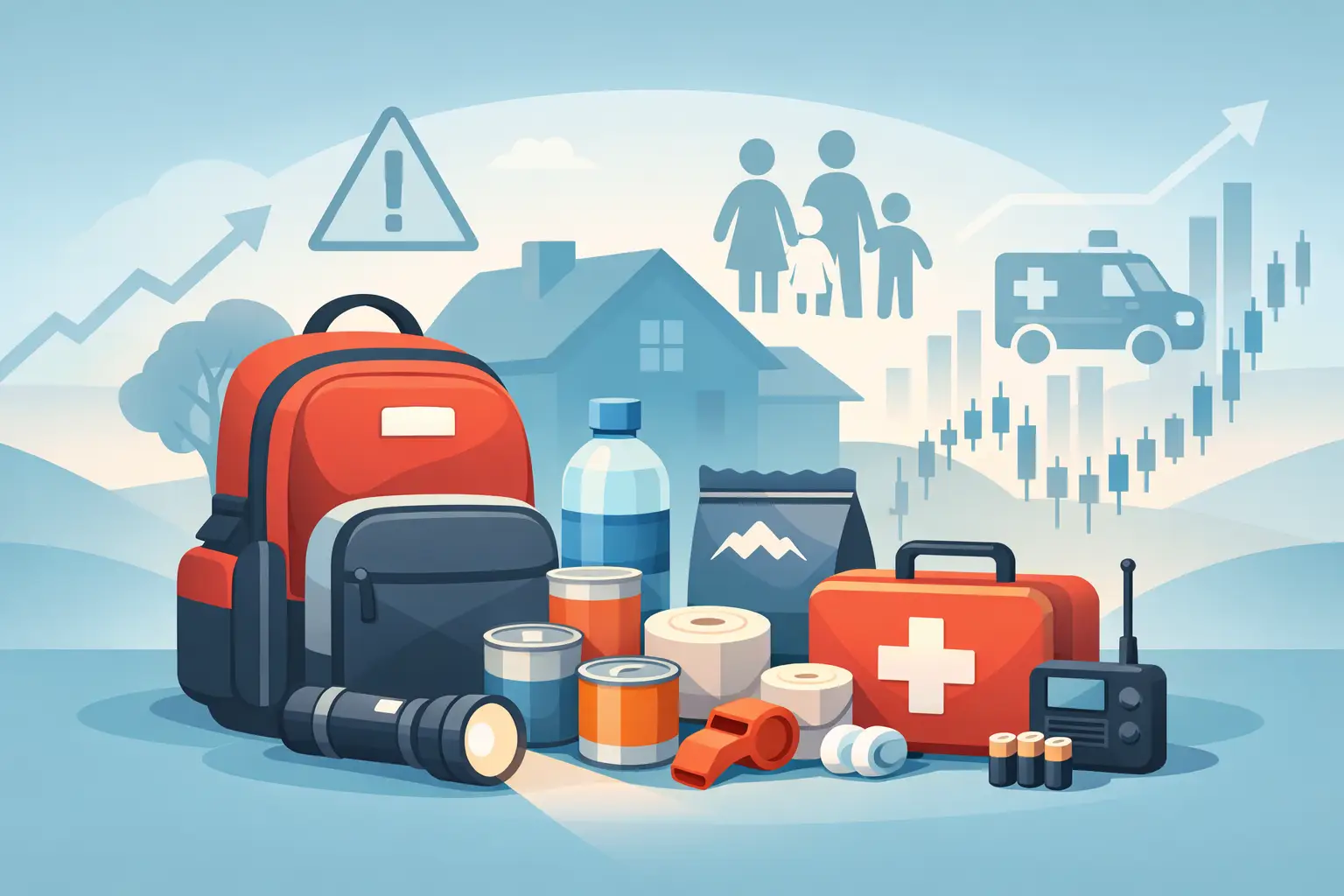
Best Family Emergency Kit Deals to Watch
Apr 23, 2026
A lot of families wait until a storm warning, wildfire alert, or long outage hits the news before they start shopping. That is usually the worst time to look for family emergency kit deals. Prices jump, the best options sell out, and you end up paying for filler items you would not have chosen if you had another week to think.
A better approach is to treat emergency kits like any other household staple. You are not shopping for drama. You are building a buffer for the boring but expensive problems that happen every year - power cuts, boil-water notices, winter storms, heat waves, road closures, and short-notice evacuations. When you buy with a clear plan, deals become useful instead of distracting.
What a good family emergency kit deal actually looks like
The cheapest kit is rarely the best deal. A real deal gives you a useful base at a lower price, not a pile of low-value gear in a flashy bundle. That distinction matters because many premade kits are marketed around item count rather than real coverage.
If a family kit says it includes 120 pieces, check what those pieces are. Ten bandages, a few wipes, and multiple single-use packets can inflate the number fast. Item count sounds impressive, but it does not tell you whether the kit can support two adults and two kids through 72 hours without extra shopping.
The better benchmark is coverage. Start with water storage or purification, calories that people in your house will actually eat, basic lighting, a simple first aid setup, sanitation supplies, backup power, and a way to stay warm. If a discounted kit covers most of that and leaves only a few smart add-ons, that is a strong buy. If it includes a hand-crank gadget, a paper-thin blanket, and novelty tools while skipping water, it is not really a deal.
How to shop family emergency kit deals without overpaying
The fastest way to waste money is to buy the first all-in-one bundle that looks urgent. Premade kits can absolutely make sense, especially for beginners, but only if you compare them the same way you would compare any other household purchase.
Start with the household itself. A family of five with small kids needs something different from a couple with one teen and a dog. Medications, diapers, pet food, allergy needs, and mobility issues all change what belongs in the cart. A low price on a generic kit is less attractive if you still have to replace half the contents.
Then look at cost per person, not just total price. A $90 kit for four people may be better value than a $60 kit for two once you compare food, water, and core supplies. The label can be misleading, so verify whether the brand means four people for 24 hours or four people for 72 hours. Those are very different products.
After that, check the weak spots. Many discounted kits underdeliver on water and food because those categories are expensive and heavy. That does not mean the kit is useless. It may still be worth buying if the bag, radio, flashlight, first aid pouch, and sanitation basics are solid and the markdown is strong enough to leave room in your budget for separate water containers and shelf-stable food.
The trade-off between premade kits and build-your-own bundles
There is no single right answer here. It depends on how much time you want to spend and how complete your current supplies already are.
Premade family kits are good for speed. They help beginners clear the first big hurdle, which is simply getting something in place. They also work well for a second location, like a vehicle, office, cabin, or guest room closet, where you want backup coverage without building another setup from scratch.
Build-your-own bundles are usually better on quality and price efficiency. You can wait for discounts on the exact categories you need, such as food bars this month, lanterns next month, and a water filter after that. The downside is that piecing it together takes discipline. A lot of people start strong, buy one flashlight and a case of water, and then never finish the kit.
For most households, the smart middle ground is to buy a discounted premade base kit and upgrade around it. That gets you organized quickly while avoiding the premium that comes with high-end fully loaded kits. It also keeps you from paying full retail on categories that go on sale all the time.
Which family emergency kit deals are worth jumping on fast
Some deal types tend to be genuinely useful when the discount is real. If you see a quality backpack-style emergency kit from a known preparedness or outdoor brand at a meaningful markdown, that is usually worth a serious look. The bag alone can have value if it is durable, organized, and easy to store in a vehicle or closet.
Food and hydration bundles are another category to watch closely. Emergency food bars, freeze-dried meal assortments, water pouches, and filtration items often make more sense as deal buys than as full-price buys. Shelf life matters here, so always check dates and storage details. A steep discount is less exciting if the useful life is short.
Lighting and power accessories bundled into family kits can also make the deal stronger. Headlamps, battery packs, lanterns, and compact radios are items most households actually use during outages. When a kit includes practical versions of those instead of gimmicky tools, the value improves fast.
First aid is where caution pays off. A family kit with a decent first aid module can save you time, but a lot of bargain bundles include only a very basic assortment. If anyone in your household has prescription needs, asthma, severe allergies, or frequent minor injuries, plan to customize no matter how good the sale looks.
Red flags that make a cheap kit expensive later
A low listed price can hide a bad buy. Watch for vague descriptions, no clear supply counts, or branding that says family sized without explaining duration. If you cannot tell how much water, food, battery capacity, or first aid coverage is included, assume the numbers are light.
Be careful with very large discount claims too. Sometimes the markdown is based on an inflated list price that few people ever paid. A 60 percent off badge is only meaningful if the actual sale price is competitive with similar kits from other sellers.
Another issue is weight and portability. A family emergency kit sounds great until you realize it is too bulky for one adult to carry during an evacuation. If your main concern is sheltering at home, that may be fine. If you want grab-and-go readiness, portability matters as much as total contents.
There is also the replacement cycle. Batteries expire, food dates matter, kids outgrow clothing, and household needs change. The best deals are easier to maintain because they use standard supplies you can rotate and replace without hunting for proprietary parts.
When to buy family emergency kit deals
Timing matters more than most people think. Shopping during peak disaster coverage usually means thinner selection and weaker discounts. The better windows are often off-season, major retail sale events, and random markdown periods when merchants clear inventory.
Preparedness gear also overlaps with camping and outdoor categories, which creates opportunities. A lantern marketed for camping may be just as useful in a blackout. A wash basin, cooler bag, or compact stove can serve double duty for both recreation and emergencies. If you shop by function instead of label, you will usually find more value.
This is where curated deal tracking helps. Sifting through thousands of listings is not a great use of your time, especially when half of them are inflated bundles or irrelevant gadgets. A focused feed like BestPrepping.Deals can make the search faster by filtering for preparedness-relevant products instead of making you sort through general retail noise.
How to know you are done enough
A lot of families stall because they keep chasing the perfect setup. That usually costs more than it saves. A good discounted kit with a few thoughtful add-ons is better than a months-long research project that never turns into real supplies on a shelf.
Done enough means your household can handle the first 72 hours with less stress. You have light, water, some food, a way to charge small devices, basic first aid, sanitation coverage, and your household-specific essentials packed where you can reach them fast. Once that baseline exists, you can improve it over time as better deals show up.
Preparedness shopping works best when you keep it boring, practical, and repeatable. Look for family emergency kit deals that reduce the real cost of readiness, not just the sticker price, and your household will be in much better shape when the next ordinary emergency stops being ordinary.
Discover More Featured Deals
Explore our hand-picked selection of the best deals, curated daily just for you.