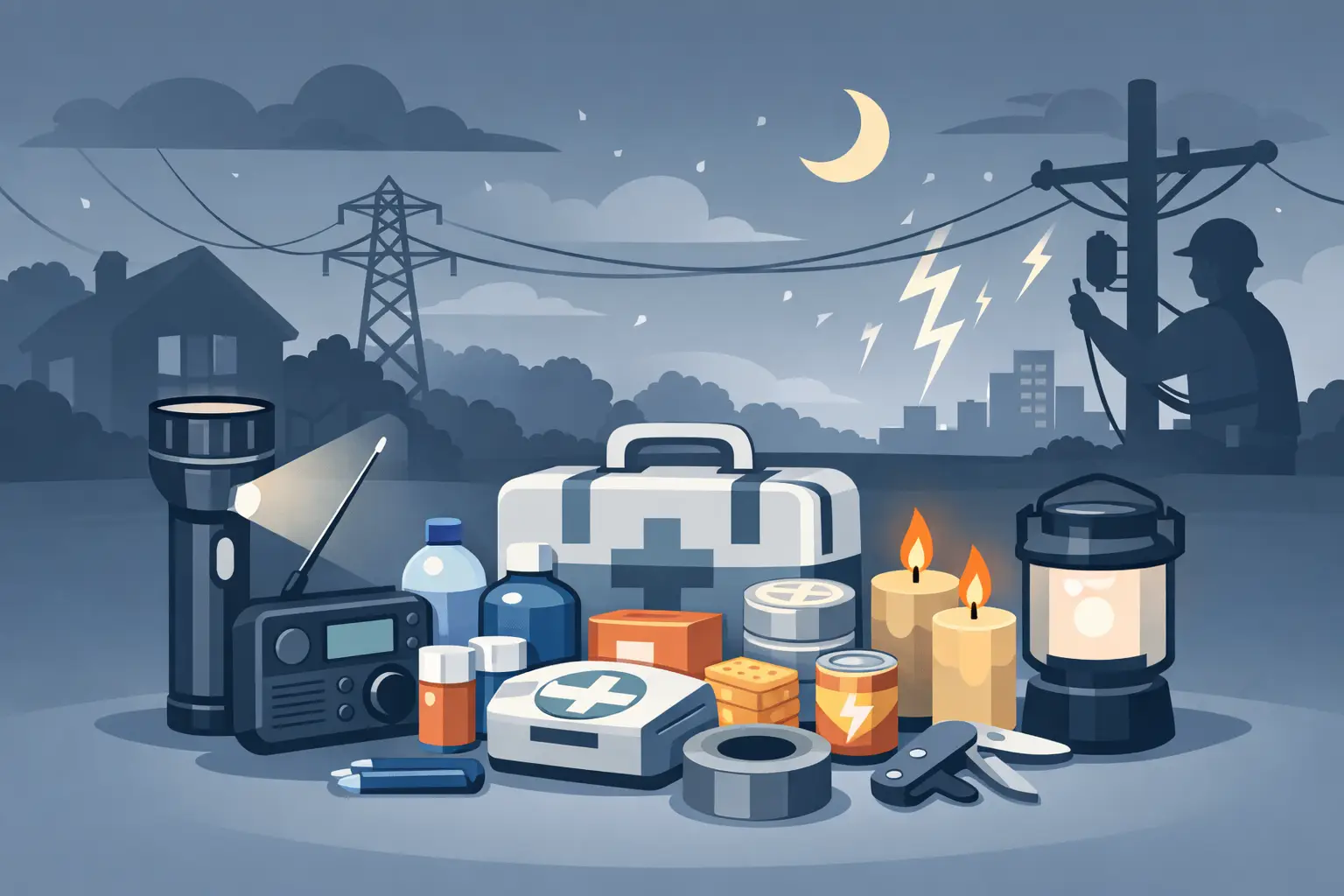
Power Outage Supplies Checklist That Works
Apr 24, 2026
A blackout gets expensive fast when you realize the flashlight batteries are dead, the freezer is warming up, and nobody remembers where the manual can opener went. A solid power outage supplies checklist fixes that before the lights go out. The goal is not to buy every gadget with a tactical label. It is to cover the basics well, avoid weak spots, and build a setup you will actually use.
What a good power outage supplies checklist should cover
Most outages are not movie-level disasters. They are annoying, disruptive, and sometimes risky if the weather is bad or someone in the home depends on powered medical equipment. That means your checklist should focus on four jobs: keep people safe, keep food and water usable, keep communication open, and keep the house functional enough to ride it out.
The right setup depends on your area and your household. A summer outage in the suburbs is different from a winter outage in a rural area. An apartment dweller may not need fuel storage, while a homeowner with a sump pump might need backup power much sooner. Start with your most likely scenario, then add depth where your risks are higher.
Lighting, batteries, and basic visibility
The first thing people reach for during an outage is light, and this is where cheap planning usually fails. Candles feel simple, but they add fire risk at the exact moment your house is already harder to manage. Battery-powered lighting is the better default for most homes.
Keep at least two reliable flashlights, one lantern for room lighting, and a headlamp for hands-free tasks. Headlamps are especially useful if you need to check a breaker, carry supplies, or help a child at night. Store extra batteries in the correct sizes, and check them a couple of times a year. If you prefer rechargeables, make sure you also have a way to recharge them when grid power is down.
A small stash of glow sticks can help with quick visibility, especially for kids or stairways, but they should not be your main plan. They are convenience items, not long-term lighting.
Food and water without overcomplicating it
If your outage lasts more than a few hours, your kitchen changes from convenient to limited. Your power outage supplies checklist should include food that requires little or no preparation, because cooking options may be reduced or completely unavailable.
Start with shelf-stable foods your household already eats. Think canned soups, beans, tuna, peanut butter, crackers, protein bars, ready-to-eat meals, applesauce, and dry cereal. If you store canned food, include a manual can opener and keep it where you can find it in the dark. That sounds obvious until you need one.
Water matters more than food in the short term. A practical target is at least one gallon per person per day for drinking and basic sanitation, with a three-day minimum and ideally more. If you have pets, count them too. Bottled water is the simplest route, but larger water containers can be more cost-effective if you rotate them. If outages in your area sometimes affect water service or boil advisories, add a basic water filter or purification option.
Refrigerated and frozen food is where outages start costing real money. An appliance thermometer helps you make safer decisions about what to keep or throw away. Opening the fridge less often buys you time. For longer outages, cooler bags or a standard cooler with ice can extend the life of essentials like medication, milk, or baby formula.
Backup power for the devices that matter
This is the section where people either overspend or underprepare. You do not need to power your whole lifestyle during a short outage, but you do need a plan for the few things that really matter.
For most households, that starts with phones, flashlights, and possibly a radio. A charged power bank is the easiest win here. Keep at least one high-capacity model topped off, and consider a second if you have multiple people in the house. Rechargeable lanterns and radios can reduce battery sprawl, but only if you maintain them.
If you work from home, have refrigerated medication, rely on a CPAP machine, or need to keep a sump pump running, your backup power needs go beyond USB batteries. A portable power station may cover smaller electronics and some medical gear, while a generator can handle larger loads. The trade-off is cost, storage space, fuel management, noise, and maintenance. Bigger is not automatically better. A well-matched setup is better than a large one you never test.
If you use a generator, safe operation is not optional. It belongs outdoors, away from doors and windows, and carbon monoxide alarms in the home are essential. A lot of preparedness gear is flexible. Generator safety is not.
Communication and information during an outage
When power is out, information gets valuable fast. You want updates on weather, restoration timelines, road conditions, and local emergency notices without draining your phone to 2 percent.
A battery-powered or hand-crank weather radio is worth having, especially in storm-prone areas. Keep charging cables together in one spot, not scattered around the house. A small written contact list also helps if your phone dies or cell service gets unreliable. Most people assume they remember important numbers until they need one under stress.
If your neighborhood sees frequent storms, consider how you will coordinate with family members. A simple check-in plan is enough for most households. Pick one out-of-area contact, decide how often to update, and keep expectations realistic.
Cold weather, hot weather, and the comfort gap
Power outages are often manageable until temperature becomes the main problem. Heating and cooling are where household risk climbs quickly, especially for older adults, babies, and anyone with health issues.
In cold weather, your checklist should include blankets, sleeping bags, warm layers, hats, gloves, and extra socks. It is usually smarter to heat people rather than trying to heat the whole house without proper equipment. Closing off unused rooms and gathering in one insulated area can make a real difference.
In hot weather, battery-powered fans, extra water, electrolyte drinks, and blackout curtains can help reduce heat stress. If your region gets extreme summer heat, have a backup plan that is not gear-based. That might mean knowing where you can go if the house becomes unsafe.
Sanitation, health, and small supplies that save the day
A lot of outage planning focuses on obvious gear and skips the low-cost items that keep a household functional. Toilet paper, paper towels, trash bags, moist wipes, basic soap, and a first aid kit do not look exciting, but they solve real problems when normal routines break.
Prescription medications should be kept ahead when possible, not down to the last refill. If anyone in the home uses medical devices or temperature-sensitive medication, that belongs near the top of your planning list, not at the bottom.
Cash in small bills is also useful. Card readers, ATMs, and gas stations do not always cooperate during widespread outages. You do not need a huge amount, just enough to cover basics if digital payment systems are down.
An apartment checklist is different from a house checklist
A useful power outage supplies checklist changes based on where you live. In an apartment, storage space is tighter and open-flame cooking or generator use may be impossible. That makes compact lighting, ready-to-eat food, battery banks, water storage, and temperature control more important.
In a house, you may need to think about garage access, electric well pumps, septic systems, sump pumps, freezer capacity, and storm cleanup tools. A chainsaw is irrelevant for many people and essential for some. The right checklist is the one that matches your actual setup, not somebody else’s fantasy loadout.
Buy in layers, not all at once
Preparedness gets cheaper when you stop treating it like a one-cart emergency shopping spree. Build in layers. Start with a 24-hour setup, then extend it to 72 hours, then to a week if your risks justify it. That approach is easier on the budget and usually leads to better gear choices.
Prioritize the items with the highest usefulness per dollar first: flashlights, batteries, water, shelf-stable food, a manual can opener, a power bank, and a weather radio. Then add comfort and redundancy. For deal-focused shoppers, this is also where patience pays off. Core outage items cycle through discounts often enough that you can build a better kit without paying peak prices.
A simple way to maintain your outage kit
A checklist only works if the supplies still work. Set a reminder twice a year to test flashlights, top off batteries, rotate food and water, check power banks, and replace anything used. Tie it to daylight saving time, a seasonal storm check, or any date you will actually remember.
Store outage supplies in one or two predictable places, not spread across every closet in the house. Label bins clearly. During a real outage, speed matters more than having a beautifully organized system nobody else understands.
The best checklist is the one that fits your home, your risks, and your budget well enough that you finish it. If you keep it practical and update it before storm season instead of during it, you will already be ahead of most people when the grid goes quiet.
Discover More Featured Deals
Explore our hand-picked selection of the best deals, curated daily just for you.