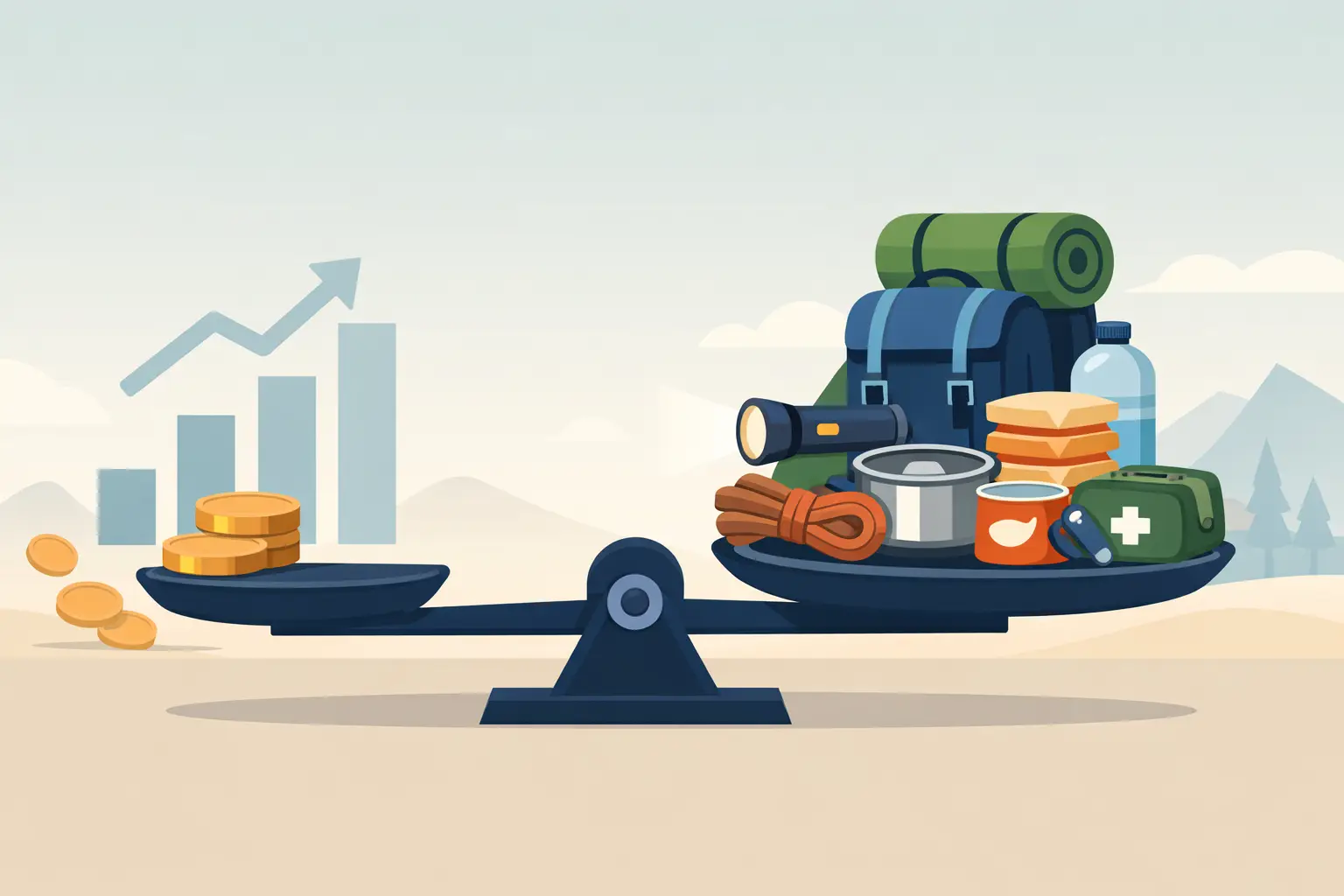
Budget Prepping Supplies That Pull Their Weight
Apr 26, 2026
A lot of people waste money on preparedness the same way they waste money at the hardware store - they buy the flashy item first and realize later they still don’t have batteries, water storage, or a way to cook when the power goes out. If you’re building around budget prepping supplies, the goal is not to buy the cheapest stuff you can find. It’s to cover the basics well, avoid dead weight, and stretch every dollar into real capability.
That matters because most emergencies are boring before they are dramatic. A storm outage, a boil-water notice, a winter road closure, a busted water main, or a week where money is tighter than expected - those are the situations where practical supplies earn their keep. You don’t need a cinematic setup. You need items that solve common problems, store well, and make life easier fast.
How to think about budget prepping supplies
The easiest way to overspend is to shop by category names instead of likely needs. “Survival gear” sounds exciting, but your household usually needs five plain things first: water, calories, light, basic power, and sanitation. Once those are covered, you can get more specific about weather, medical needs, pets, or vehicle gear.
This is also where cheap and budget are not the same. A discount on a reliable flashlight is useful. A rock-bottom power bank with bad reviews is just delayed disappointment. Budget prepping supplies should still be dependable enough to work when you actually need them.
For most households, the best value comes from versatile items. A headlamp beats a novelty lantern if it frees both hands. A compact water container beats a bulky gadget that only does one job. A plain cooler bag can help protect temperature-sensitive food or meds during short outages. The less specialized an item is, the more likely it will get used outside an emergency too, which makes the purchase easier to justify.
Start with the supplies that fail first
Water is usually the least exciting line item and the one people put off. That’s a mistake. If your budget is tight, start with simple storage and a backup treatment option. Store-bought water, stackable containers, and basic filtration or purification tools are not glamorous, but they solve a problem immediately.
Food comes next, but not all emergency food is equal on value. Freeze-dried meals are convenient and compact, but they can be expensive per serving. Rice, beans, oats, pasta, canned soups, peanut butter, and shelf-stable snacks often deliver better short-term value, especially if you already eat them. Emergency food bars are useful for grab-and-go kits, cars, and short disruptions, but they are not always the cheapest way to feed a household for days.
Light is one of the best low-cost morale boosters in a power outage. Headlamps, flashlights, battery lanterns, and extra batteries tend to offer a better return than decorative emergency gadgets. The trade-off is simple: battery-powered lighting is convenient, but you need a battery plan. Rechargeable options can save money over time if you already have a way to recharge them.
Power is where many shoppers drift into overspending. You probably do not need a giant power station as your first purchase. For a lot of people, a few solid power banks, a car charger, and backup cables handle the most common issue - keeping phones and small electronics alive. Larger backup power makes sense later if you need to run medical devices, work from home during outages, or keep more gear charged.
Sanitation gets ignored until it becomes urgent. Moist towelettes, trash bags, gloves, paper goods, soap, water containers, and a simple wash basin are not exciting purchases, but they matter fast in outages and water interruptions. These items are often inexpensive, easy to store, and useful in non-emergency situations too.
Where budget shoppers usually get burned
The first trap is buying too many one-purpose tools. A hand-crank radio with ten promised features might seem like a deal, but if the light is weak, the battery doesn’t hold up, and the radio reception is poor, it’s still a bad buy. A separate flashlight, radio, and power bank can sometimes be the better budget move because each item does its job better.
The second trap is buying deep before buying wide. It is tempting to stock a six-month food supply before you’ve handled water storage or basic lighting. But preparedness works better when the basics are balanced. A modest amount across the essentials usually beats one heavily funded category and four weak ones.
The third trap is chasing tactical aesthetics. Dark colors, military styling, and dramatic marketing can inflate prices without adding much function. For suburban families and beginner preppers, budget prepping supplies often look a lot like camping gear, pantry staples, batteries, totes, and household backup items.
What to buy first on a limited budget
If you have to build slowly, aim for a practical first layer. A week of water, a week of easy food, reliable light, backup phone power, and basic sanitation supplies will cover a surprising number of disruptions. Add weather-specific items after that, like blankets for winter outages or cooling support for summer blackouts.
A family setup should also reflect actual household patterns. If you have kids, shelf-stable foods they will really eat matter more than idealized long-term rations. If you live in an apartment, compact storage and low-power options make more sense than bulky fuel-heavy gear. If you already camp, some of your existing equipment may fill gaps without any new spending.
This is where deal-driven shopping helps. Timing matters. Emergency food, lighting, coolers, storage, and outdoor-adjacent supplies often cycle through discounts. Buying when prices dip is one of the easiest ways to stretch a preparedness budget without lowering standards. That’s part of the logic behind a curated deal approach like BestPrepping.Deals - less time digging through irrelevant listings, more focus on products that fit actual readiness needs.
A smart way to judge value
Price alone is noisy. Better questions are: how often will this be useful, how long will it store, how many problems does it solve, and what does failure look like? A cheap flashlight that dies during an outage has a different cost than a cheap tote that cracks in the garage.
Consumables should be judged by shelf life, replacement cycle, and cost per use. Durable gear should be judged by reliability, ease of storage, and whether it needs supporting accessories. A good deal on a rechargeable lantern is less good if you still need to buy cables, wall adapters, and backup batteries.
It also helps to think in layers. Your pantry is one layer. Your blackout kit is another. Your car kit is another. You do not need premium gear in every layer right away. Sometimes the budget version is perfectly fine for a secondary location, while the higher-quality item belongs in your main home setup.
Cheap insurance beats expensive regret
Preparedness buying gets easier when you stop treating it like a single big project. Most households do better with a steady drip of useful items bought at the right price than with one expensive shopping spree full of guesswork. That approach is easier on the budget and usually produces fewer mistakes.
It also creates room to test what you buy. Use the headlamp during a normal evening. Charge the power bank. Make one of the shelf-stable meals. Fill the water container. If something is annoying, flimsy, or harder to use than expected, you’ll know before you actually need it.
There is no perfect starter list that fits every home, climate, and budget. But there is a dependable rule: buy the boring essentials first, buy them at good prices when you can, and let each purchase earn its space. The best budget prepping supplies are not the ones that look impressive on a shelf. They’re the ones that quietly solve problems when the day goes sideways.
Discover More Featured Deals
Explore our hand-picked selection of the best deals, curated daily just for you.