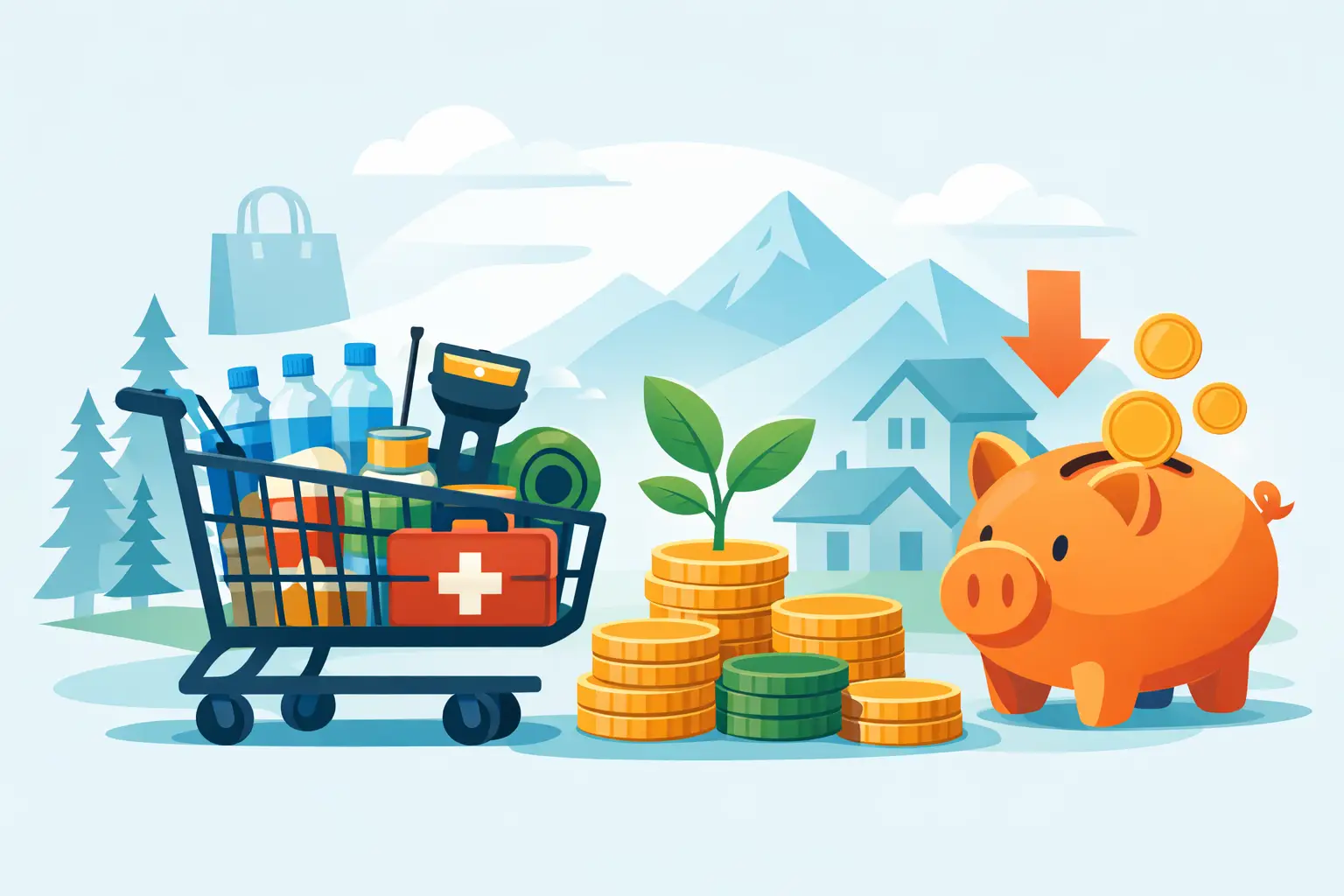
Beginner Prepper Shopping Guide That Saves Money
May 06, 2026
A lot of people start prepping the same way they start home improvement - one late-night search turns into 27 tabs, a cart full of random gear, and no clear plan. That is exactly where a beginner prepper shopping guide helps. Not by pushing the biggest kit or the flashiest gadget, but by helping you buy the right basics in the right order without wasting money.
If you are new to preparedness, the first thing to understand is simple: shopping is not the same as being prepared. Buying ten items that do not match your actual risks can leave you less ready than a smaller, better-chosen setup. A good starter plan is boring on purpose. It covers water, food, light, power, hygiene, warmth, and basic communication before it starts chasing specialty gear.
What a beginner prepper shopping guide should actually do
The goal is not to build a bunker in a weekend. The goal is to make your household more resilient to common problems such as power outages, severe weather, short-term supply disruptions, and getting stuck at home for a few days. For most US households, that means starting with bug-in supplies first and treating evacuation gear as a second phase.
That matters because beginners often shop backward. They buy tactical bags, knives, and survival tools before they have enough drinking water or shelf-stable calories at home. There is nothing wrong with outdoor gear, but it should support a plan, not replace one.
A useful shopping guide also helps you separate categories. Consumables like food, batteries, and hygiene items need rotation. Durable gear like lanterns, radios, and water containers can last for years if chosen well. When you understand that difference, you make better spending decisions and avoid paying premium prices for items you could have bought slowly over time.
Start with the boring essentials
Water comes first because most emergency situations get serious fast when you do not have it. A practical starting point is stored drinking water plus a backup way to filter or purify more. Cases of bottled water are easy, but they are bulky and expensive over time. Refillable storage containers usually make more sense for a home setup, especially if you have the space.
Food comes next, but beginners often overcomplicate it. You do not need a six-month freeze-dried stockpile on day one. Start with foods you already eat that store well and require little or no cooking. Think canned meals, rice, beans, oats, pasta, peanut butter, crackers, electrolyte drink mix, and simple comfort foods that make stressful days easier. Emergency food bars and freeze-dried meals can fill gaps, especially for grab-and-go situations, but they should not be your entire plan unless convenience matters more than cost.
Light and backup power are the next smart buys. A few reliable flashlights or headlamps, extra batteries, and at least one power bank can solve a surprising number of problems during outages. Headlamps are especially useful because they keep your hands free while cooking, cleaning, or checking on kids. If your budget is tight, buy fewer items but buy decent ones. Cheap lights fail at the worst time.
The best first purchases by category
Water and food
In a beginner prepper shopping guide, this category should take the biggest share of your early budget. Start with enough water and easy meals for at least 72 hours, then extend toward one or two weeks. If you have dietary restrictions, babies, or pets, your real needs are higher than the average checklist suggests.
Watch out for specialty preparedness food that looks efficient but costs far more per serving than normal grocery items. It has a place, especially for long shelf life and storage convenience, but a beginner usually gets more value by combining everyday pantry goods with a few purpose-built emergency items.
Lighting and power
Buy lighting for function, not novelty. A headlamp, a flashlight, and one area light or lantern will cover most homes better than a drawer full of tiny keychain lights. For backup power, think in layers. A power bank keeps phones running. A car charger gives you another fallback. Larger battery stations are useful, but they are not an entry-level requirement for every household.
Weather and warmth
If your heat goes out in winter, blankets, sleeping bags, thermal layers, and hand warmers matter quickly. In hot climates, battery fans and sun-blocking options may matter more. This is where local risk should shape shopping. A family in Arizona should not shop exactly like a family in Minnesota.
Sanitation and hygiene
This category gets ignored until it becomes urgent. Toilet paper, trash bags, wet wipes, soap, feminine hygiene supplies, diapers, and basic cleaning items are not exciting purchases, but they protect comfort and health. A wash basin, bucket, or simple cleanup setup can make a big difference during water interruptions.
First aid and medications
A basic first aid kit is good. A customized one is better. Store the over-the-counter meds you actually use for pain, allergies, stomach issues, and colds. If anyone in the house depends on prescription medication, preparedness starts there, not with a fancy trauma kit you do not know how to use.
How to avoid the most common beginner shopping mistakes
The biggest mistake is buying for fantasy scenarios instead of likely ones. Most people will deal with outages, storms, boil-water notices, temporary shortages, and road delays long before they face a wilderness survival event. Your shopping list should reflect that reality.
Another common mistake is buying too much of one category and ignoring the rest. A shelf full of food does not solve darkness, no power, or sanitation issues. On the other hand, a pile of tools does not help if you have nothing easy to eat. Balanced preparedness beats impressive-looking gear.
Brand hype is another budget killer. Some products are worth paying more for, especially if reliability matters, but plenty of preparedness items are just repackaged everyday goods with aggressive marketing. Compare size, materials, battery type, shelf life, and replacement cost before assuming the most expensive option is the best one.
There is also the issue of storage. Bulk buying sounds smart until supplies get damaged in a hot garage or buried so deeply you forget they exist. If you cannot store it properly or rotate it, it is not really part of your plan.
A smart budget approach for new preppers
The best shopping strategy is phased, not dramatic. Build a 72-hour setup first. Then extend to two weeks. Then refine weak spots. That approach spreads cost over time and gives you room to learn what your household will actually use.
A simple budget split often works better than chasing one giant purchase. Put most of the early money into food, water, batteries, and hygiene. Use the rest for a few durable basics like a headlamp, radio, or storage containers. Hold off on specialized gear until your core setup is covered.
This is also where deal watching helps. Preparedness products swing in price all the time, especially seasonal items, pantry goods, lighting, and camping-adjacent gear. If you are patient, you can build a far better starter stockpile at discount than by panic buying during a storm week. That is one reason shoppers use curated deal sources like BestPrepping.Deals - not to replace planning, but to cut down the time it takes to spot relevant offers without digging through endless general retail listings.
Your beginner prepper shopping guide for real life
Think less about building the perfect kit and more about reducing friction during a bad week. Can you drink, eat, stay clean, see at night, charge a phone, and stay reasonably comfortable if normal services stop for a few days? If the answer is yes, you are already ahead of most people.
That is why the best first shopping list is usually pretty plain: water storage, shelf-stable food, light, batteries, power backup, hygiene basics, weather-appropriate warmth, and medications. After that, you can get more specific with radios, cooking backups, fuel, tools, and go-bag supplies.
Preparedness shopping works best when it is calm, incremental, and tied to your actual household. Skip the performative gear buying. Buy practical supplies, buy them at good prices when you can, and keep building from there. A quiet, well-stocked closet is not glamorous, but it is a lot more useful than an expensive cart full of things you never needed.
Discover More Featured Deals
Explore our hand-picked selection of the best deals, curated daily just for you.