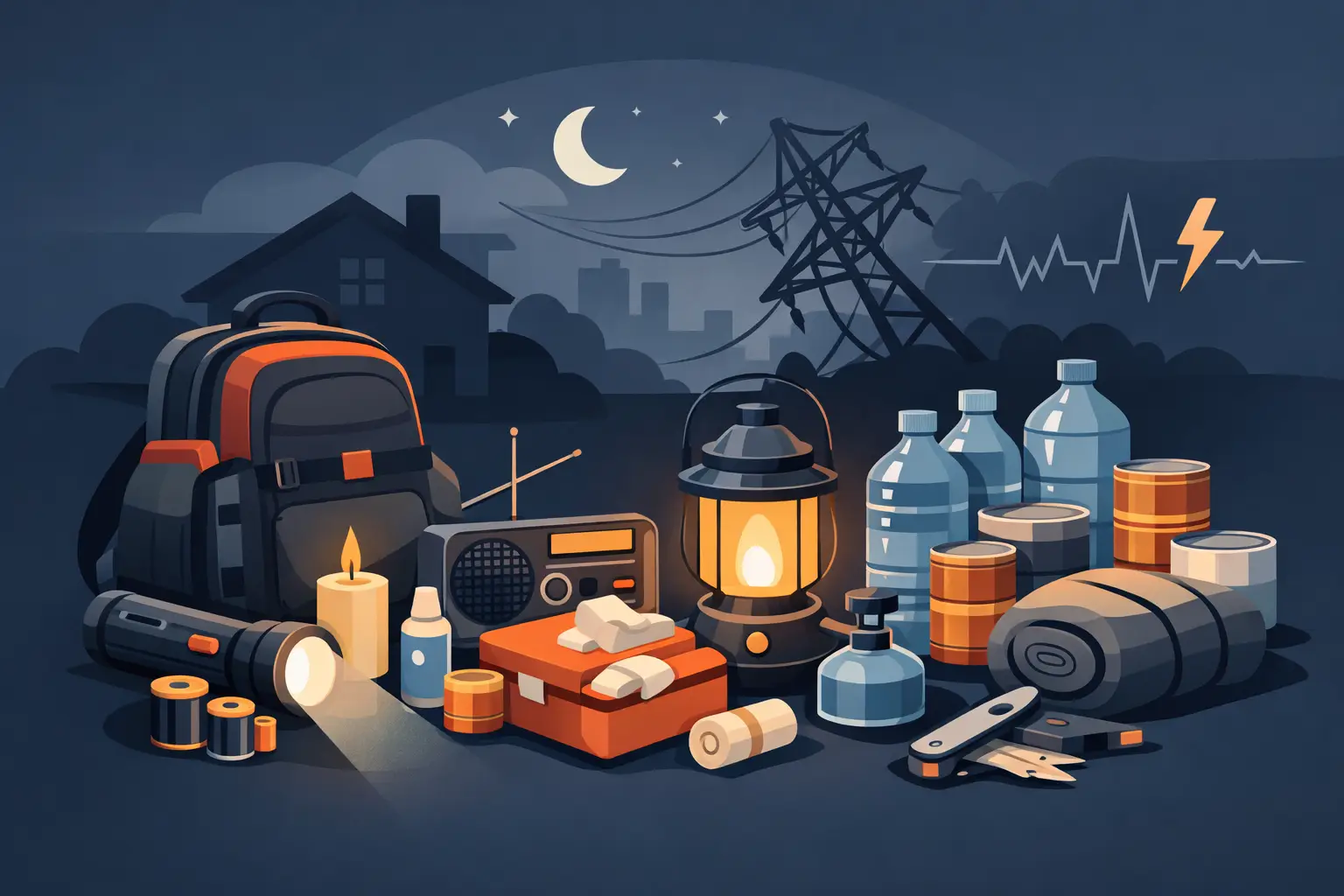
11 Best Blackout Emergency Supplies
May 18, 2026
A long power outage gets annoying fast, then expensive, then risky. The best blackout emergency supplies are not the flashiest items on a survival checklist. They are the things that keep your house usable after dark, keep food safe long enough to matter, and keep small problems from turning into miserable ones.
For most households, blackout prep is less about extreme survival and more about staying functional for 24 to 72 hours. That changes what you should buy. You do not need a garage full of gear. You need a short list of supplies that work, store easily, and make sense for your home, climate, and budget.
What the best blackout emergency supplies actually solve
A blackout creates a chain reaction. First you lose light, then charging, then normal cooking, then climate control, then convenience. If the outage stretches out, refrigeration, sanitation, communication, and home security become the real pressure points.
That is why smart blackout prep starts with problems, not products. The right kit should help you see, stay informed, protect food and water, charge essentials, manage indoor temperature, and get through a few days without making panicked store runs.
Light comes first
The first item people reach for during an outage is usually the wrong one - a phone flashlight with a half-dead battery. Reliable lighting is the core of the best blackout emergency supplies because everything else gets harder in the dark.
Headlamps are usually the most useful option. They keep both hands free, which matters when you are checking a breaker, carrying water, cooking on a backup stove, or helping kids move around safely. Lanterns are better for room lighting and make more sense for kitchens, bathrooms, and living areas. A basic flashlight still belongs in the kit, but it should not be your only light source.
Battery type matters more than many buyers think. If you already use AA or AAA devices, sticking with one battery ecosystem keeps things simple. Rechargeable lights can save money over time, but they are only as good as your charging backup. For a blackout kit, the best setup is often a mix: one or two rechargeable lights for regular use and at least one battery-powered light stored with spare batteries.
Power is mostly about phones, radios, and small devices
During an outage, most people do not need to power a whole house. They need to keep a few critical devices alive. That makes portable power banks one of the highest-value purchases in any blackout setup.
A compact power bank can recharge phones, small USB lights, and some medical or communication devices. If your household relies heavily on phones for weather updates, school communication, work alerts, or emergency info, capacity matters. A larger unit gives you margin, but it also costs more and takes longer to recharge before the next outage.
Power stations are useful if you want more flexibility, especially for CPAP users, laptop charging, routers, or small fans. But they are not automatically the better buy. For many homes, a good power bank plus a car charger covers the most likely needs at a much lower cost.
Water gets overlooked in blackout planning
Power outages often affect water in indirect ways. Municipal systems can lose pressure. Well pumps may stop working. Apartment buildings can become inconvenient fast if water service becomes limited.
Stored drinking water is the low-tech fix. You do not need exotic gear to start. What matters is having enough clean water set aside before the outage. Water containers, jugs, or stackable storage options are often more practical than relying only on bottled water cases, especially for households trying to organize a small space.
Water filtration can help, but it depends on your situation. A filter is valuable if you may need to use collected or uncertain water sources. It is less useful if your plan is strictly short-term sheltering at home with pre-stored supplies. For most suburban households, storage comes before filtration.
Food should be simple, shelf-stable, and low-effort
People tend to overcomplicate blackout food. You do not need to eat like you are on a backpacking trip unless that gear already fits your routine. The better approach is shelf-stable food that requires little or no cooking and holds up well in storage.
Emergency food bars work well because they are compact, calorie-dense, and easy to stash. Canned soups, beans, tuna, peanut butter, crackers, and ready-to-eat meals make more sense for many families because they are familiar and easier to rotate into normal use. Freeze-dried meals can be useful too, but only if you have a reliable way to heat water and enough stored water to spare.
This is where trade-offs show up. Cheap pantry food is often the most economical route, but it can be bulky and harder to manage. Dedicated emergency food is easier to store and lasts longer, but costs more per meal. A mixed approach usually wins.
Cooking and heat depend on where you live
If your stove is electric, a blackout takes away your normal cooking setup immediately. A small backup stove can solve that, but only if you can use it safely. Indoor use is the biggest mistake area here.
For many households, a butane camp stove or propane camping stove is enough for short outages, assuming you have safe ventilation and follow manufacturer guidance. If you already camp, you may already own the right gear. If not, do not buy a stove without also thinking through fuel storage, cookware, and where you would actually use it.
Heat is even more location-specific. In a mild climate, extra blankets, sleeping bags, and warm layers may be all you need. In colder regions, blackout planning gets more serious. Window insulation, hand warmers, heavy socks, and concentrated sleeping arrangements can stretch comfort a lot further than people expect. Space heaters and generators can help, but only when safety, fuel, and ventilation are fully handled.
A radio still earns its place
People assume their phone covers everything until cell service slows down, batteries run low, or internet access gets unreliable. A weather radio or hand-crank emergency radio gives you one more path to information when the power stays out longer than expected.
This is not about nostalgia. It is about redundancy. If local weather, emergency alerts, or utility updates matter, a radio is still one of the cheapest ways to stay informed.
Cold storage buys you time
Most blackouts do not begin as food emergencies, but they can become one. A refrigerator stays cold for a limited window, and a freezer lasts longer if left closed. After that, your backup plan matters.
Coolers and ice packs can extend food life and reduce waste, especially if the outage is localized and ice is still available nearby. Thermometers for fridge and freezer temps are a small but smart addition because they take the guesswork out of food safety. Throwing out spoiled groceries costs more than most people expect, which is why cold-storage support belongs on any serious list of best blackout emergency supplies.
Do not ignore sanitation and basic cleanup
Blackouts make routine household tasks harder. No hot water, limited light, fewer charging options, and possible water restrictions can turn dishes, handwashing, and bathroom use into a hassle.
A practical kit should include moist towelettes, trash bags, paper goods, basic cleaning supplies, and a wash basin or bucket. These are not exciting purchases, but they make a noticeable difference by day two. Households with kids, pets, or older adults will feel that even faster.
The best blackout emergency supplies are the ones you can find fast
Storage matters almost as much as the supplies themselves. A perfect lantern buried under holiday decorations is not helping anyone at 9:30 p.m. Put blackout gear in one clearly defined spot and make sure everyone in the home knows where it is.
That setup does not need to be elaborate. A tote, shelf section, or closet bin works fine. Group lights with batteries, charging gear with charging cables, food with manual can openers, and sanitation items together. Labeling saves time, especially when the outage hits at the worst possible moment.
Buy in layers, not all at once
The fastest way to waste money is to build a blackout kit from fear instead of from likely use. Start with the basics: light, water, charging, shelf-stable food, and a radio. Then add cooking support, cold-storage help, and comfort items based on your climate and household needs.
This is also where deal shopping makes sense. Blackout supplies go on sale constantly, but not all discounts are worth jumping on. Batteries, headlamps, food bars, lanterns, coolers, power banks, and weather radios are the kinds of items that are worth watching over time instead of buying in a panic the night before a storm. That is the practical advantage of a curated site like BestPrepping.Deals - less time sorting through junk, more time building a kit that actually covers your weak spots.
A good blackout setup should feel boring when you buy it and extremely useful when you need it. If your supplies help you keep the lights off without losing control of the house, you bought the right stuff.
Discover More Featured Deals
Explore our hand-picked selection of the best deals, curated daily just for you.