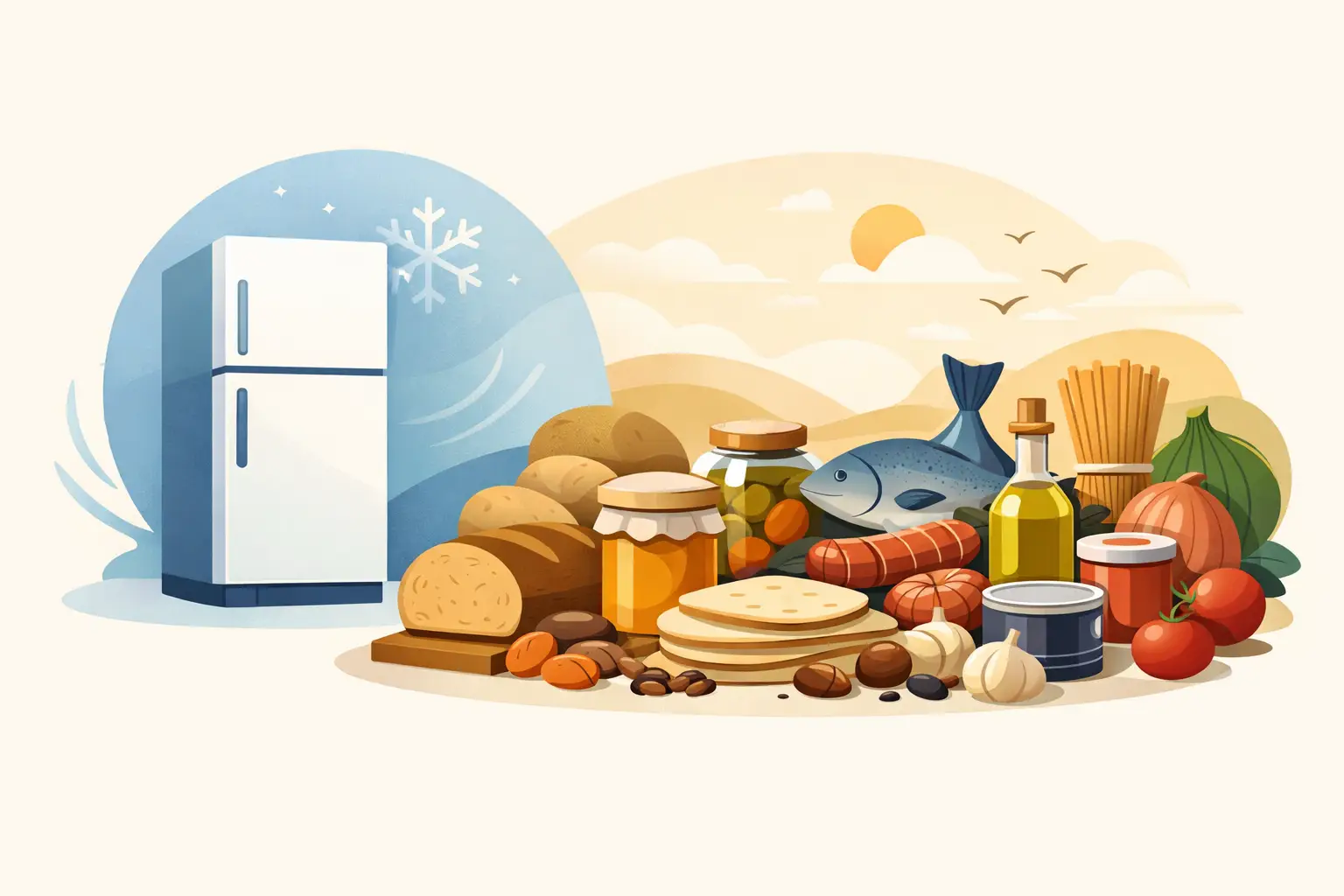
What Food Lasts Without Refrigeration?
Jun 03, 2026
A power outage at 6 p.m. will teach you very quickly which groceries are convenient and which ones are actually resilient. If you are building a backup pantry, planning for storms, or just trying to waste less food, the real question is simple: what food lasts without refrigeration, and for how long does it stay useful?
The short answer is that dry, sealed, low-moisture, and shelf-stable foods last the longest. But that does not mean every pantry item is equally good for emergencies. Some foods technically survive at room temperature yet offer poor calories, weak nutrition, or packaging that fails once opened. The better approach is to think in layers: staples for calories, proteins for staying power, and ready-to-eat items for convenience when cooking is not realistic.
What food lasts without refrigeration in real life?
In practical terms, the best no-fridge foods are foods that are commercially sealed, naturally low in moisture, or preserved through drying, canning, curing, or high sugar and salt content. White rice, dry beans, oats, pasta, peanut butter, canned meat, canned fish, canned vegetables, freeze-dried meals, crackers, powdered milk, honey, and nut butters all belong in the conversation.
That said, shelf life depends on more than the food itself. Heat, humidity, light, pests, and damaged packaging can cut storage life fast. A bag of rice in a cool, dry closet is one thing. The same bag stored in a humid garage in July is another.
For most households, the most useful room-temperature foods fall into a few categories. Dry grains and starches give you cheap calories. Canned proteins give you meals that feel substantial. Shelf-stable snacks help when nobody wants to cook. And long-storage specialty foods, like freeze-dried pouches or emergency ration bars, fill the gap when you want compact backup supplies with minimal maintenance.
The longest-lasting pantry staples
If your goal is durability first, start with simple staples. White rice is hard to beat because it stores well, is inexpensive, and pairs with almost anything. Dry pasta and rolled oats are similarly dependable. Flour can work too, though whole grain flours turn faster because their oils break down sooner than refined flour.
Beans are a classic preparedness food, but there is a trade-off. Dry beans last a long time when stored well, yet they require water, fuel, and time to cook. Canned beans are less efficient by weight, but they are much easier during outages or disruptions. For many families, keeping both makes more sense than choosing one.
Instant potatoes, grits, and plain cereal also earn a place here. They may not feel exciting, but they store well and are easy to use. The best emergency food is often the food your household already knows how to eat without complaints.
Sugar, salt, and honey also deserve mention. They are not meals by themselves, but they are excellent shelf-stable support items. Honey can crystallize over time, but that is a quality issue, not a safety failure. It can often be warmed and used normally.
Protein that keeps without a fridge
Protein is where many beginner pantry plans fall short. A shelf full of carbs is better than nothing, but it will not feel complete for long. If you want food that lasts without refrigeration and still helps you build real meals, focus on canned and sealed proteins.
Canned tuna, chicken, salmon, sardines, spam-style luncheon meats, chili, and stew all offer solid shelf stability. They are ready to eat straight from the can if necessary, which matters more than people think when the stove is out or you are conserving fuel.
Nut butters are another strong option. Peanut butter is calorie-dense, familiar, and easy for kids and adults alike. It is not a full protein replacement for everything, but it is efficient, filling, and useful in both normal life and short-term emergencies.
Jerky and meat sticks can work well too, especially for grab-and-go storage. The trade-off is cost. Compared with canned meats or dry beans, they are often more expensive per calorie and per gram of protein. Still, they shine when portability matters.
Shelf-stable milk, powdered milk, and protein shakes can also help round out a pantry. Just pay attention to expiration dates and storage instructions. Some cartons are stable until opened, then need refrigeration. That is fine, but only if you plan to use the whole container promptly.
Fruits, vegetables, and comfort foods
Preparedness food that ignores morale usually gets abandoned. People eat better under stress when the food is familiar and requires little thought. That is where canned fruit, applesauce, dried fruit, canned vegetables, soups, and simple comfort foods come in.
Canned peaches, pears, corn, green beans, and mixed vegetables are not glamorous, but they add variety and make shelf-stable meals feel more normal. Dried fruit like raisins, apricots, and cranberries can last well if sealed and kept dry, though they will slowly lose texture over time.
Crackers, granola bars, pretzels, instant soup cups, and boxed broth can also make life easier during a short disruption. They do not replace deeper pantry staples, but they reduce friction. In real households, convenience matters. Food that is easy to grab at 2 a.m. during a storm often gets used before the more optimized emergency supply.
Foods people assume are safe, but are not ideal
This is where a lot of waste happens. Bread lasts a little while without refrigeration, but not that long, and mold wins eventually. Fresh fruit can work for several days depending on the type, but it is not long-storage food. Potatoes, onions, and winter squash store well in the right conditions, yet they are more sensitive than canned or dried goods and need active rotation.
Eggs are a common gray area. In the US, most store-bought eggs are washed and generally should be refrigerated. That makes them very different from eggs handled under other systems. If you are building a US household pantry, do not assume eggs are a reliable room-temperature staple.
Cheese can sometimes hold up for limited periods, especially hard cheeses, but again, that is not the same as true shelf stability. If your plan depends on uncertain edge cases, it is probably not a strong emergency plan.
Best storage formats for outages and emergencies
The best food format depends on the problem you are solving. For a 24- to 72-hour outage, ready-to-eat canned foods, snacks, nut butters, and shelf-stable drinks are usually the best move. They require little effort and minimal cleanup.
For a two-week household disruption, dry staples and canned proteins become more important because they stretch farther and cost less. This is where rice, pasta, beans, oats, canned meat, canned vegetables, and powdered basics start doing the heavy lifting.
For long-term backup, freeze-dried food and emergency ration bars can make sense. Freeze-dried food is lightweight and often stores for years, but it is usually more expensive and often needs water. Ration bars are compact and easy to store in vehicles or kits, though they are not something most people want to live on day after day.
That is the key trade-off across the board: longer shelf life usually means higher cost, less variety, or more dependence on water. There is no perfect category. The smart move is a mix.
How to make room-temperature food last longer
If you want better results, store food cool, dry, and dark. Rotate what you buy. Protect it from moisture and pests. Keep the foods you actually use at the front of the system and the deeper backup stock clearly labeled.
You also want packaging that matches the storage timeline. Original cans and sealed jars are fine for many foods. Thin paper or plastic grocery packaging is less reliable for long storage. If you are storing dry goods for extended periods, repackaging can help, but even without getting advanced, simply avoiding heat and humidity goes a long way.
It also helps to build around meals, not just ingredients. Rice and beans sound good on paper, but if you do not have seasoning, broth, canned meat, or sauces to go with them, they become pantry guilt fast. A workable shelf-stable pantry should support breakfasts, snacks, and a few low-effort dinners.
A practical way to build your list
If you are starting from zero, buy room-temperature foods in the order you will actually use them. Start with water-friendly, no-fuss items like peanut butter, canned soups, tuna, crackers, oats, rice, beans, pasta, canned vegetables, and canned fruit. Then add longer-storage backups like freeze-dried meals, powdered milk, or ration bars if your budget allows.
That approach fits the way most people shop for preparedness now. It is less about building a bunker pantry overnight and more about buying smarter over time, especially when you catch a good discount on shelf-stable basics or emergency food. That is also why deal-focused curation has become useful for this category. It helps people build resilience without paying premium prices for every item.
The best answer to what food lasts without refrigeration is not one miracle product. It is a small, dependable system of foods your household will actually eat, rotate, and trust when the lights stay off longer than expected.
A good pantry should make a bad day easier, not more complicated.
Discover More Featured Deals
Explore our hand-picked selection of the best deals, curated daily just for you.