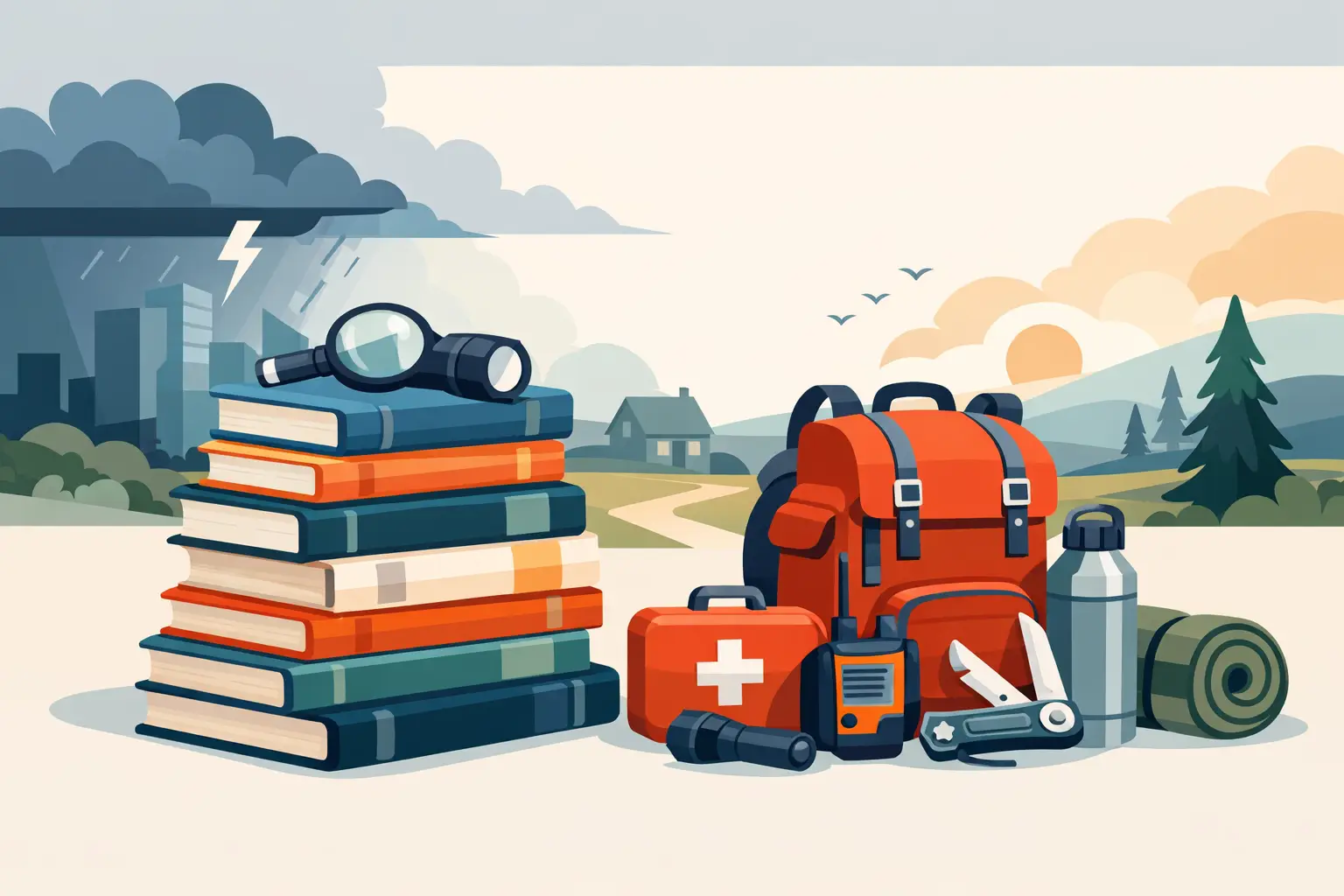
9 Emergency Preparedness Books for Beginners
Apr 22, 2026
A lot of people start prepping the same way they start home fitness - with too much gear and not enough basics. A $20 book can prevent a few hundred dollars in bad purchases, which is why emergency preparedness books for beginners are often one of the smartest first buys you can make.
The trick is choosing books that help you act, not just imagine scenarios. Beginners usually do best with titles that explain risk, cover the boring but critical stuff like water and sanitation, and turn preparedness into a household system instead of a shopping spree. Some books are broad and practical. Others lean hard into survivalism, which can be useful, but not always helpful on day one.
What beginners actually need from preparedness books
A good starter book should make you more capable within the first week of reading it. That means clear guidance on storing water, building a basic food reserve, handling power outages, improving home safety, and organizing supplies so you can find them under stress.
It should also help you set priorities. New preppers often get distracted by niche gear before they have enough batteries, a weather radio, backup cooking options, or a two-week pantry they actually eat from. The best beginner books pull you back to the high-probability problems: storms, blackouts, short-term supply disruptions, vehicle breakdowns, and temporary loss of utilities.
There is a trade-off here. Some books are excellent reference manuals but dry enough that beginners never finish them. Others are motivating and easy to read but light on specifics. The sweet spot is a book that gets read cover to cover and leaves you with a usable checklist.
9 emergency preparedness books for beginners worth considering
1. The Disaster-Ready Home by Creek Stewart
This is one of the better starting points for people who want practical household readiness without a lot of theater. It focuses on realistic disruptions and gives a room-by-room mindset that feels manageable for families, apartment dwellers, and suburban households.
Its strength is accessibility. You do not need prior knowledge to follow it, and it tends to push readers toward useful categories rather than fantasy setups. If your goal is a calmer, more resilient home, this is a strong first read.
2. Prepper's Long-Term Survival Guide by Jim Cobb
Despite the title, this book can still work for beginners because it connects short-term readiness to longer-term thinking. It covers food, water, shelter, and planning in a way that helps readers understand why preparedness is layered.
The trade-off is that some beginners may feel it gets more serious than they need right away. That is not always a bad thing. Reading slightly beyond your current setup can help you avoid rebuilding your plans later.
3. The Prepper's Pocket Guide by Bernie Carr
If bigger preparedness books feel like homework, this one is easier to absorb. It is compact, practical, and organized around common emergencies. That makes it a good fit for people who want something they can actually finish over a weekend.
It will not replace a deeper reference book, but it can absolutely get a beginner moving. Think of it as a useful bridge between curiosity and action.
4. When Crisis Hits Suburbia by Ted Riley
This title stands out because it is aimed at a very common audience that many survival books skip over: suburban households. If you are not on a homestead and not pretending you will disappear into the woods, that perspective matters.
The book tends to feel more grounded in everyday life, which makes it easier for beginners to apply. It is especially relevant for families thinking about sheltering in place during local disruptions.
5. Just in Case by Kathy Harrison
This is a solid choice for readers who want preparedness to feel normal, household-oriented, and family-centered. It covers a broad range of emergencies with an emphasis on daily resilience rather than extreme scenarios.
For some readers, that tone is exactly right. Others may want more technical depth after finishing it. That is fine. For a first book, confidence and clarity often matter more than exhaustive detail.
6. SAS Survival Handbook by John "Lofty" Wiseman
This book is a classic, and for good reason. It is packed with survival knowledge and useful reference material. You will find a lot in it that applies well beyond wilderness survival.
That said, it is not the most beginner-friendly first book if your main concern is household emergency planning. It is better as a second or third purchase, especially if you also camp, hike, or want a broader survival skill base.
7. Emergency War Surgery or basic first aid preparedness references
This is a category more than a single beginner title, but medical readiness deserves mention because many people under-prepare here. A basic, readable first aid and emergency care book can do more for your real-world readiness than another gear catalog disguised as a preparedness manual.
The caution is simple: do not confuse reading with training. Books are useful, but hands-on first aid or CPR classes are even better. A good medical reference belongs on the shelf, not in place of practice.
8. The Encyclopedia of Country Living by Carla Emery
This is not strictly an emergency preparedness book, but it earns its place because self-reliance skills overlap heavily with preparedness. Food preservation, cooking from scratch, gardening, and household resourcefulness all reduce fragility.
It is a big book and not the fastest read. Still, for beginners who are moving from "buy supplies" to "build skills," it offers long-term value.
9. FEMA-style family preparedness guides and regional emergency handbooks
These are not glamorous, and that is exactly why they are useful. Official preparedness guides usually focus on realistic hazards, evacuation planning, communications, and supply basics. They can help beginners build a plan that matches where they actually live.
They also work well alongside commercial books. If one book gives the big picture, local guidance helps you tailor it to hurricanes, tornadoes, wildfires, earthquakes, or winter storms.
How to choose emergency preparedness books for beginners
Start with your most likely problems, not your most dramatic ones. If you live in a hurricane zone, buy for storms and outages first. If you are in wildfire country, prioritize evacuation planning, air quality, and document readiness. If winter weather is your main issue, focus on heat, water, backup power, and vehicle preparedness.
Your learning style matters too. Some people need a highly visual book with checklists and short sections. Others prefer a dense reference they can keep returning to. The best book is the one you will use.
Budget matters, but this is one category where cheap can still be smart. Preparedness books often go on sale, and they are one of the rare prepping purchases that can improve every other purchase after them. That fits the logic behind BestPrepping.Deals in general: filter first, buy smarter second.
What a good beginner book should help you build
After finishing one solid beginner title, you should be able to create a realistic home plan. That includes a basic water supply, shelf-stable food your household already likes, lighting and backup power for short outages, sanitation supplies, a first aid setup, copies of key documents, and a communication plan.
You should also have a clearer sense of what not to buy yet. That is an underrated benefit. A lot of preparedness spending gets wasted on duplicate tools, low-quality kits, and specialty gear that solves rare problems while common ones stay uncovered.
Books that push you toward systems instead of random products usually provide the best return. You want a framework for household resilience, not just a longer shopping list.
Common mistakes beginners make when buying preparedness books
One mistake is buying only extreme survival books and skipping basic home-readiness material. Wilderness skills are useful, but most people are more likely to face a three-day outage than a total collapse scenario.
Another is buying several books that all say the same thing. If your first book is broad and practical, make the second one more specialized - medical, food storage, communications, or regional hazard planning. Variety builds a stronger base than repetition.
The third mistake is collecting information without turning it into action. A preparedness shelf full of unread books is still just a shelf. The right rhythm is simple: read a chapter, fix one weak spot, move on.
A smarter order for building your library
For most households, the best sequence is one general preparedness book, one medical or first aid reference, and then one skills-based book tied to your interests or risks. That could mean food preservation, home repair basics, radio communications, or outdoor survival.
This approach keeps your library useful without getting bloated. It also matches how readiness usually develops in real life. First you cover essentials. Then you improve depth where it matters most.
If you are new to all of this, do not worry about finding the single perfect title. Pick a practical book that matches your household, read it with a pen in hand, and let it shape your next few decisions. The best preparedness book is the one that gets your water stored, your pantry organized, and your family a little harder to knock off balance.
Discover More Featured Deals
Explore our hand-picked selection of the best deals, curated daily just for you.