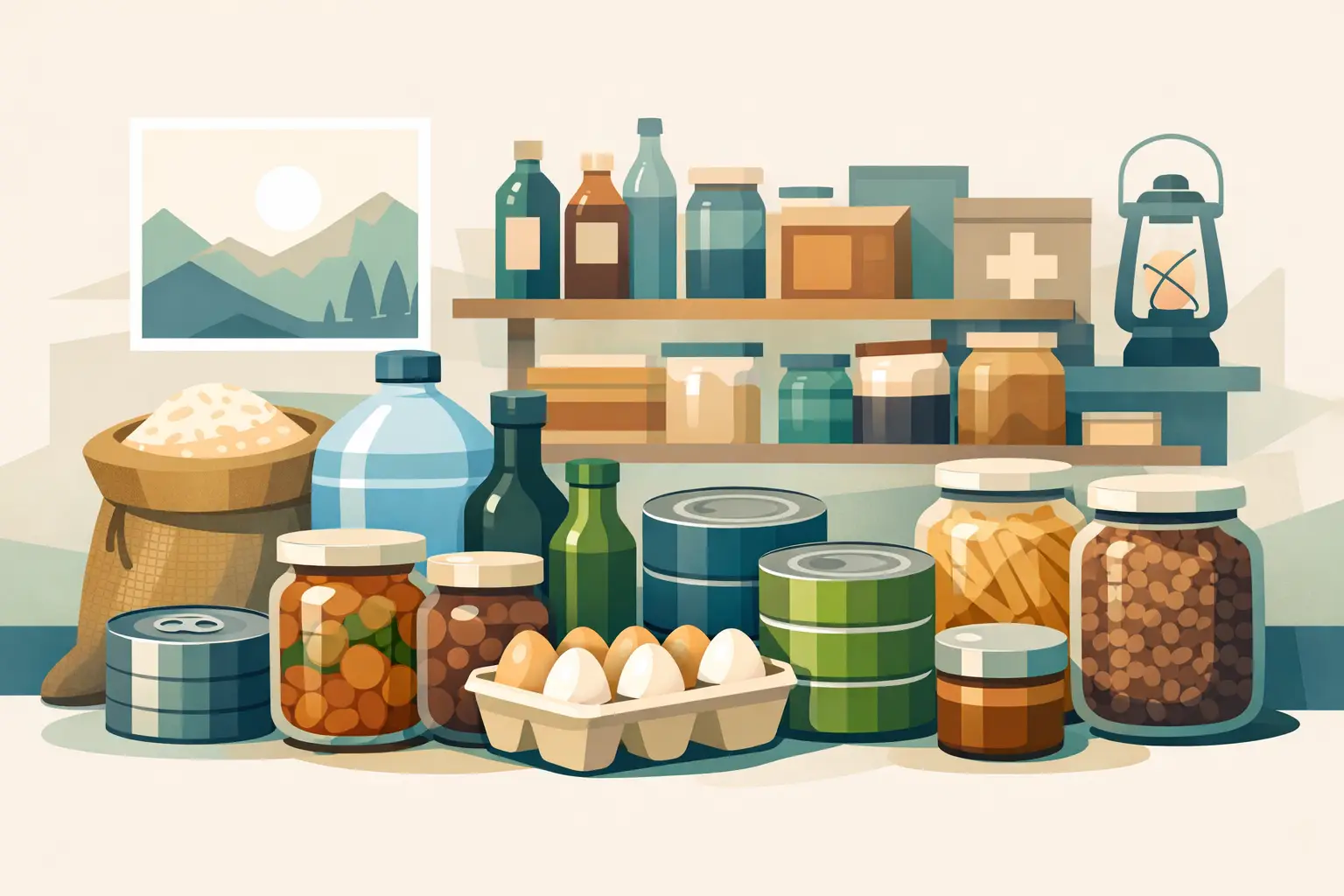
12 Best Prepper Pantry Staples to Stock
May 04, 2026
A pantry looks very different when you build it for Tuesday night dinner versus a three-day outage, a supply hiccup, or a week when grocery shelves get picked over. The best prepper pantry staples do two jobs at once: they keep you fed in an emergency, and they make sense to buy, store, and rotate in normal life.
That second part matters more than people think. A lot of pantry advice sounds good until you realize it assumes unlimited space, unlimited budget, and a willingness to eat nothing but plain rice and canned beans for two weeks. A useful prepper pantry is practical. It covers calories, protein, fats, hydration support, and morale, while still fitting how your household actually cooks.
What makes the best prepper pantry staples?
The short version is shelf life, versatility, nutrition, and ease of use. But those factors pull against each other.
White rice stores longer than brown rice, but brown rice has more nutrients and oils. Canned foods are easy to use and need no water, but they are heavier and take more room. Freeze-dried foods last a long time, but they usually cost more per serving. There is no perfect staple, which is why a good pantry uses layers instead of betting on one category.
For most households, the strongest setup mixes dry goods for low-cost calories, canned foods for convenience, and a few comfort items that reduce menu fatigue. If the power goes out, if water gets limited, or if money gets tight, each type solves a different problem.
12 best prepper pantry staples worth keeping
1. White rice
White rice is still one of the most efficient pantry builders because it is cheap, calorie-dense, and flexible. It works with canned meat, beans, broth, vegetables, and seasonings you probably already keep around.
It does need water and fuel to cook, so it should not be your only carb source. But as a base food, it is hard to beat for cost per meal. If you are choosing between white and brown for preparedness, white usually wins on shelf life.
2. Dry beans
Beans bring protein, fiber, and staying power. Pinto, black, navy, and lentils all have a place, though they are not equally convenient. Large dry beans can take a lot of fuel and soaking time, while lentils cook faster and are easier during a short-term disruption.
A smart move is to keep both dry beans and canned beans. Dry saves money and stores well. Canned buys you speed when cooking resources are limited.
3. Canned beans
Canned beans are not glamorous, but they are one of the most realistic emergency foods on the shelf. You can eat them cold if needed, they already contain moisture, and they fit fast meals.
They are also easier for beginners. If your pantry plan depends on perfect fuel storage, water filtration, and from-scratch cooking under stress, it is probably too fragile.
4. Pasta
Pasta gives you fast, familiar calories and better menu variety than many survival foods. It cooks quicker than rice in many cases and works with canned tomato products, tuna, chicken, spam, or shelf-stable cheese sauces.
The trade-off is that it still needs boiling water and some fuel. That makes it strong for bug-in pantry use, especially for families, but less ideal as your only emergency carb.
5. Canned meat and fish
Protein changes everything in a pantry. Tuna, chicken, salmon, spam, corned beef, and similar canned meats add substance that dry staples alone cannot.
They cost more per calorie than rice or beans, so this is usually where shoppers need to balance budget with usefulness. Even a modest stock makes your pantry more livable. A bowl of rice is survival food. A bowl of rice with seasoned chicken feels like dinner.
6. Peanut butter
Peanut butter is one of the best prepper pantry staples because it checks several boxes at once. It is calorie-dense, requires no cooking, contains fat and protein, and is easy to eat when stress kills appetite.
It also works for adults and kids, which matters in family planning. Shelf life is not as extreme as freeze-dried food, but for practical rotation, it earns its spot.
7. Oats
Oats are cheap, filling, and useful beyond breakfast. They can be cooked into porridge, added to baking, stretched into meat dishes, or used in simple no-frills meals with dried fruit and cinnamon.
They are especially good for cold-weather pantry planning. If you want a staple that feels normal during disruption, oats do that better than a lot of survival-branded options.
8. Canned vegetables
Canned vegetables are not the most exciting shelf item, but they help prevent a pantry from turning into a pile of starch. Corn, green beans, peas, carrots, tomatoes, and mixed vegetables add nutrients and variety without much effort.
Tomatoes deserve special mention because they become the base for chili, soup, pasta, rice dishes, and stews. Just keep an eye on rotation. Acidic canned foods do not always have the same long shelf window as dry staples.
9. Powdered milk or shelf-stable milk
Milk is easy to forget until you need it for kids, baking, oatmeal, coffee, or basic nutrition. Powdered milk has a reputation problem, but it is useful. Shelf-stable cartons are easier to use but usually store for less time.
Which one makes sense depends on your household. If you actually use shelf-stable milk, rotate that. If you want deeper backup, powdered milk is the better reserve.
10. Cooking oil or shelf-stable fats
A lot of new pantry plans are short on fat. That is a mistake. Fat adds calories, helps with cooking, and makes basic foods taste like real meals.
Oil does not last forever, and some types go rancid faster than others. That means you should buy in realistic quantities and rotate often. Ghee, shortening, and certain canned butter alternatives can also make sense depending on your cooking habits.
11. Salt, sugar, and basic seasonings
These are small items with oversized value. Salt is essential for flavor and food prep. Sugar helps with baking, quick energy, and comfort foods. Seasonings like garlic powder, chili powder, bouillon, and black pepper can turn repetitive ingredients into meals people will actually eat.
This is where morale matters. In a short disruption, bland food gets old fast. A pantry that tastes decent is easier to stick with.
12. Ready-to-eat backup foods
Not every staple should require cooking. Crackers, canned soup, granola, meal bars, applesauce, and similar ready-to-eat foods cover the gap when power is out, time is short, or someone is sick.
These items usually cost more for fewer calories, so they are not the foundation of your pantry. They are the convenience layer. And in the first 24 to 48 hours of a problem, convenience often matters most.
Best prepper pantry staples for beginners
If you are just starting, do not build a fantasy pantry. Build one week of normal, shelf-stable meals first. That keeps the project affordable and gives you a rotation habit right away.
A beginner pantry usually does better with canned beans, canned meat, pasta, rice, oats, peanut butter, canned vegetables, soup, and seasonings than with highly specialized long-term food products. You can always add deeper storage later. The first goal is not perfection. It is avoiding a last-minute grocery run before a storm.
How to balance shelf life, cost, and actual use
This is where people either save money or waste it. The cheapest staple is not the best deal if nobody in your house eats it. The longest-lasting product is not always the smartest buy if it sits untouched while you keep paying full price for your regular groceries.
A strong rule is store what you eat and eat what you store, then add a backup layer for longer emergencies. That might mean keeping everyday pantry goods in regular rotation and adding selected freeze-dried meals, food bars, or bulk dry goods when you spot worthwhile discounts. For value-focused shoppers, that is usually the sweet spot.
If you follow deal feeds like BestPrepping.Deals, this is also where patience pays off. Pantry building is much cheaper when you buy categories over time instead of panic-buying everything in one weekend.
Storage mistakes that weaken a pantry fast
The biggest mistake is ignoring water and fuel. Dry staples sound efficient until you remember they need preparation. If your pantry leans heavily on rice, beans, and pasta, you need a realistic cooking backup.
The next mistake is poor rotation. Cans get shoved to the back, oils expire, and seasonal buying turns into forgotten clutter. Labeling purchase dates and using oldest items first solves most of that.
Finally, do not overbuild around one scenario. A pantry for inflation, winter storms, and brief outages looks a little different than one built for deep long-term isolation. Most households are better served by planning for common disruptions first.
Preparedness gets easier when your pantry stops being a separate project and starts acting like a smarter version of your regular kitchen. Stock foods you trust, layer in a few strategic backups, and keep building while prices are good.
Discover More Featured Deals
Explore our hand-picked selection of the best deals, curated daily just for you.