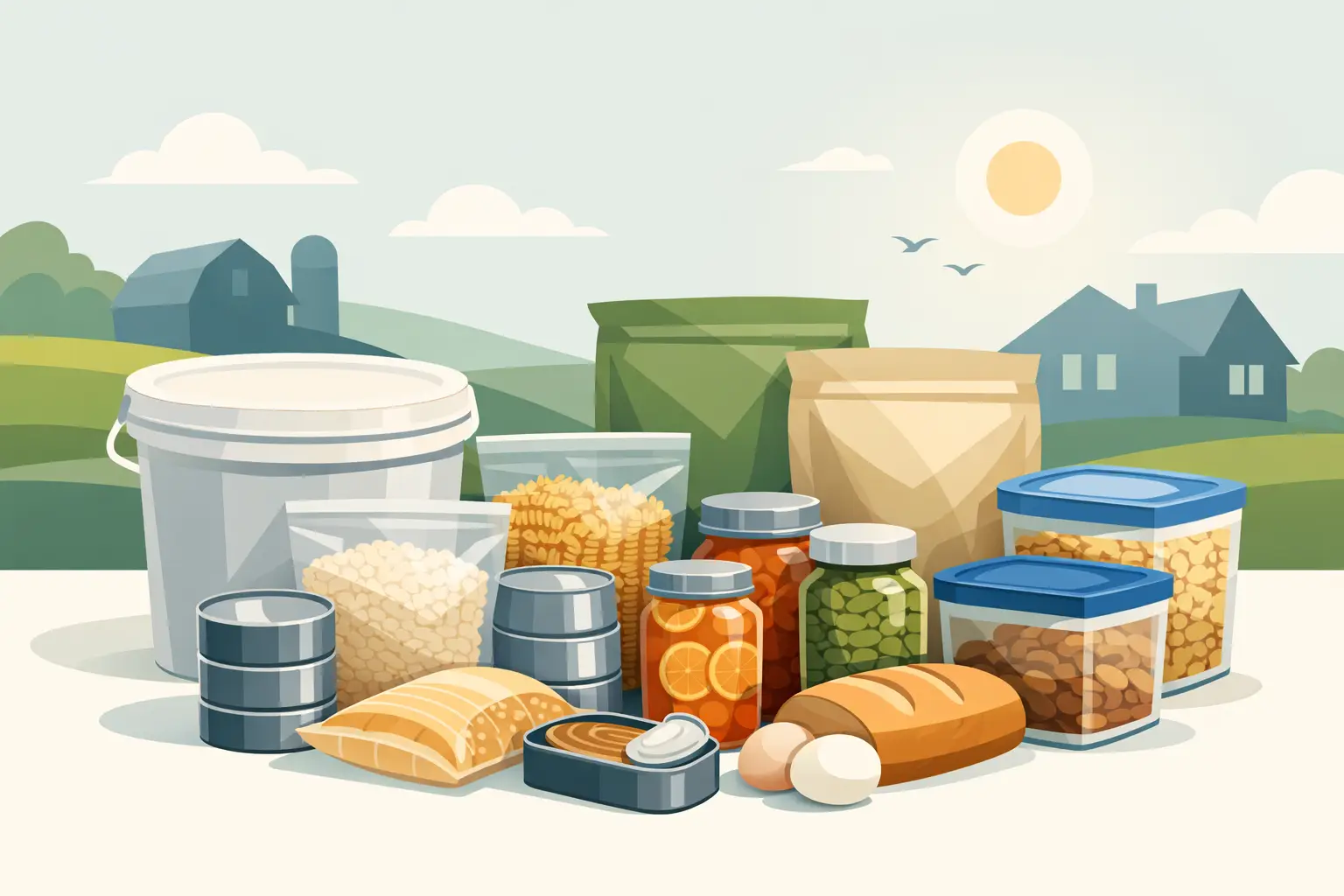
Cheap Long Term Food Storage That Works
May 08, 2026
If you have ever priced a full emergency pantry in one sitting, you already know the problem: cheap long term food storage sounds easy until the total hits your cart. A few branded buckets, some freeze-dried meals, and a stack of snacks can get expensive fast. The good news is that storing food for months or years does not have to mean paying premium prices for fancy packaging.
The smartest approach is usually boring on purpose. You build around low-cost staples, protect them from moisture, oxygen, light, and heat, and save the higher-priced convenience foods for gaps in your plan. That is less exciting than buying an all-in-one survival kit, but it works better for most households and stretches your budget a lot further.
What cheap long term food storage really means
A lot of people mix up cheap food with cheap storage. They are not the same thing. The cheapest calories at the store are not always the best for long shelf life, and the cheapest storage method can ruin good food if it lets in air or moisture.
For budget-minded preparedness, the goal is simple: get the lowest cost per usable calorie without creating waste later. That means choosing foods your household will actually eat, using packaging that fits the shelf-life target, and avoiding products that look tactical but deliver poor value.
It also means being honest about your timeline. Food you want to keep for one to three years can be stored differently than food you want to keep for ten to twenty-five years. If you treat every purchase like it needs a 30-year shelf life, you will almost always spend more than necessary.
The cheapest foods for long-term storage
The core of cheap long term food storage is still basic dry goods. White rice, dry beans, rolled oats, pasta, wheat berries, sugar, salt, and dry corn all offer strong value. They are widely available, easy to stack, and much cheaper per serving than prepacked emergency meals.
White rice is a standout because it stores well when packed correctly and cooks into a flexible base for almost anything. Dry beans are also cheap, though they have a trade-off: older beans can take longer to cook, which matters if fuel or power is limited. Oats are practical because they can be used for breakfast, baking, and filler calories. Pasta is familiar and easy for families, but its shelf life depends heavily on keeping pests and moisture out.
Some foods look like smart budget buys but are weaker choices for very long storage. Brown rice is more nutritious in some ways, but its higher oil content shortens shelf life. Whole-wheat flour has the same issue. Granola, nuts, and boxed mixes can be useful for medium-term rotation, but they are not ideal anchors for a low-cost long-term stash.
Canned goods matter too, especially if you want food that requires little or no prep. Canned vegetables, meats, chili, soup, tuna, and fruit often go on sale and can form a strong backup pantry. They are heavier and bulkier than dry staples, but they are easy to rotate into normal meals. For many households, that makes them a practical part of the plan even if they are not the absolute cheapest calories.
Packaging is where savings get protected
If you buy food cheaply and store it badly, you did not save money. You just delayed the loss.
For dry staples, one of the best value methods is storing them in mylar bags with oxygen absorbers inside food-grade buckets or other rodent-resistant containers. That setup costs more upfront than leaving food in store packaging, but it can dramatically extend shelf life and reduce spoilage. For people building a serious pantry on a budget, it is usually worth it.
There is a balance, though. Not every item needs the same treatment. Salt and sugar do not need oxygen absorbers in the way rice or oats do. Foods you plan to rotate within a year may be fine in original packaging placed inside sealed bins. Vacuum sealing can help with some items, but it is not a universal replacement for proper long-term storage materials.
Temperature matters more than many shoppers realize. A closet inside the house will usually beat a hot garage, attic, or shed, even if those spaces look more convenient. Heat shortens shelf life fast. The cheaper your food is, the less room you have for storage mistakes.
Where people overspend on food storage
The biggest budget killer is buying convenience when you really need calories. Freeze-dried meals have a place. They are lightweight, easy to use, and helpful for bug-out bags, short-term disruptions, and no-cook or low-fuel situations. But if you build your entire storage plan around branded meal pouches, the cost climbs quickly.
Another common mistake is paying extra for packaging instead of ingredients. Some emergency food kits are basically rice, pasta, soup base, and drink mix sold at a premium because the branding is survival-focused. That does not make them bad, but it does make them a poor first purchase if your pantry is still shallow.
Variety can also become expensive if you chase it too early. A deep bench of basic foods beats a thin shelf of gourmet options. Once your calorie base is covered, then it makes sense to add comfort foods, spices, coffee, baking supplies, and higher-end proteins.
A realistic strategy for cheap long term food storage
The most cost-effective plan usually has three layers. The first layer is your normal pantry - food you already use every week. The second layer is extra depth in low-cost staples and canned goods bought on sale. The third layer is longer-life backup food packed for extended storage.
That approach keeps your money working in two directions. You get immediate household usefulness from the first two layers, and you build a real emergency cushion with the third. It also reduces the risk of buying a bunch of food you never touch until it expires.
If you are starting from zero, begin with calories and routine. Add a few weeks of rice, oats, pasta, canned protein, and shelf-stable fats. Then expand into deeper storage with bulk purchases when prices are favorable. A deal is only a deal if it fits your plan, but timing matters. Buying staples during price dips can cut your total cost more than endlessly shopping for exotic preparedness products.
That is where a focused deal feed can help. Instead of searching thousands of listings yourself, a site like BestPrepping.Deals can save time by surfacing relevant emergency food and pantry storage discounts in one place. The key is to use those deals to fill specific gaps, not to impulse-buy random buckets because the percentage off looks good.
Cheap long term food storage for families vs. solo households
Household size changes what counts as affordable. Families usually get better value from bulk staples because they can rotate through larger quantities before quality drops. A 25-pound bag of rice makes more sense when multiple people will actually eat it.
Solo households have to be more careful with pack size. The cheapest unit price is not always the cheapest real-world option if half the food sits unused. Smaller sealed portions can be smarter, even if the cost per pound is slightly higher, because they reduce waste after opening.
Cooking setup matters too. If your emergency plan assumes grid power, dry staples are easy. If you are planning for outages, no-cook or low-fuel foods deserve a larger share of the budget. Beans are cheap, but they can demand more water and heat than some people expect. Instant rice, canned meals, and ready-to-eat foods cost more, yet they may fit your actual use case better.
What to buy first and what can wait
Start with foods that are cheap, familiar, and flexible. White rice, oats, pasta, canned meat, canned beans, peanut butter, dry milk, sugar, salt, and basic seasonings cover a lot of ground. Add shelf-stable cooking oil, but rotate it more often because fats do not last like dry grains.
After that, build in nutrition and morale. Freeze-dried fruits and vegetables, bouillon, coffee, soup mixes, and comfort foods can make stored food much easier to live on. These items are not always the cheapest buys, but they improve usability. That matters because storage food is only valuable if your household can actually eat through it without misery.
Specialty emergency meals can wait unless you have a specific reason for them. The same goes for expensive all-in-one kits. They are convenient, but convenience is often what you pay extra for.
Cheap long term food storage is less about finding one magic product and more about buying in the right order. Protect your basics first. Add convenience second. Add premium options last.
A well-built pantry does not need to look impressive online. It just needs to lower your stress, cover your calories, and hold up when the store shelves or your budget get tight. If you keep that standard in mind, you will usually spend less and end up with a better food reserve.
Discover More Featured Deals
Explore our hand-picked selection of the best deals, curated daily just for you.