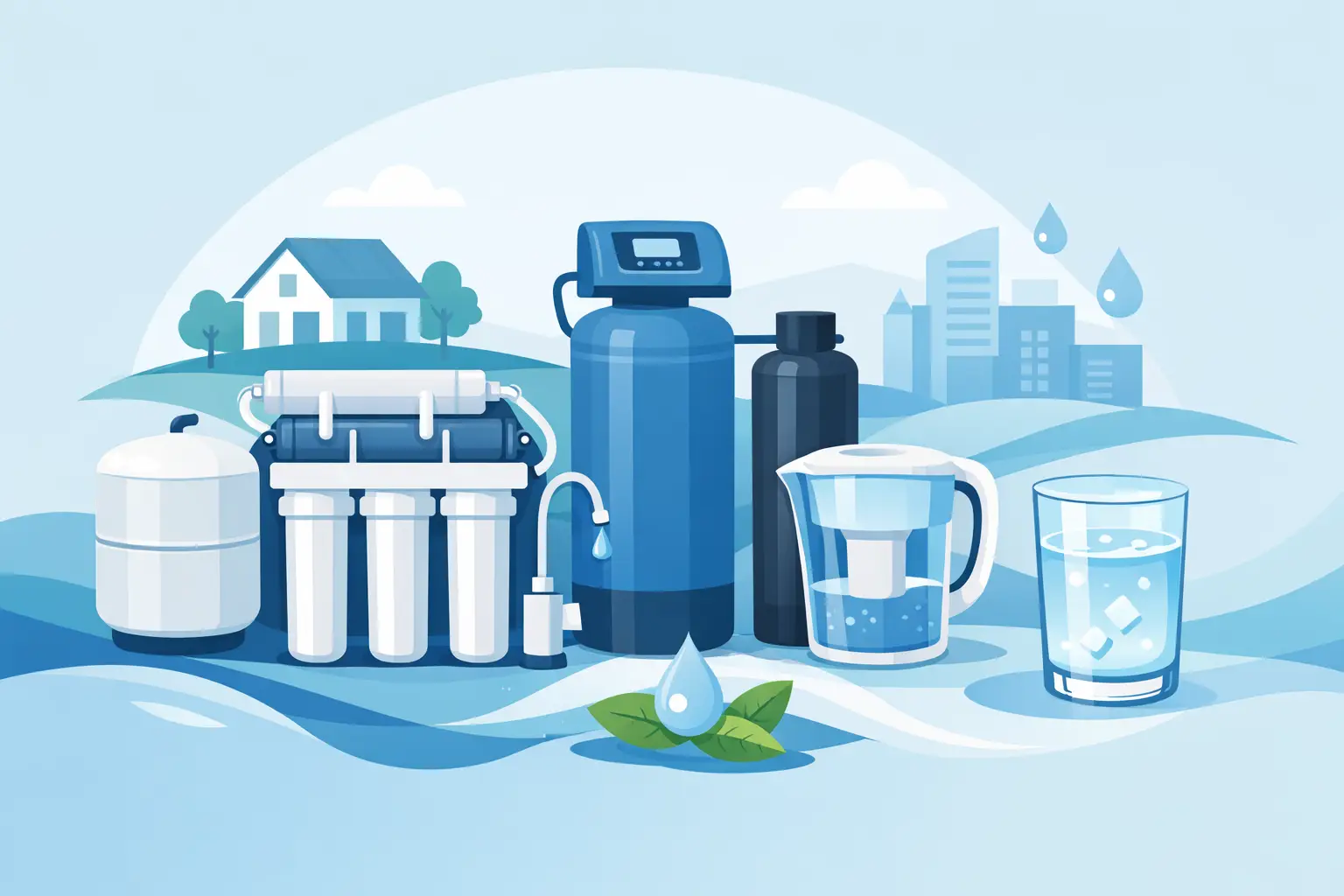
Affordable Water Filtration Systems That Work
May 14, 2026
A case of bottled water disappears fast when you are dealing with a boil advisory, storm outage, or just a week of bad-tasting tap water. That is why affordable water filtration systems matter for more than convenience. For a lot of households, they are one of the cheapest ways to make everyday water better while also adding a layer of preparedness.
The trick is not buying the cheapest filter on the page and calling it done. Price matters, but so do filter type, replacement cost, flow rate, and what problem you are actually trying to solve. A system that works great for city tap water may be a poor fit for well water, and a solid countertop unit may still be useless in a blackout if it needs pressure or power to run.
What affordable water filtration systems actually do
Most people shop for a filter because of taste, odor, or general concern about what is coming through the tap. Those are valid reasons, but filtration is not one single thing. Different systems target different issues.
A basic activated carbon filter is often enough to reduce chlorine taste and some common contaminants. That is why pitcher filters and many faucet-mounted units are so popular. They are cheap, easy to use, and good enough for a lot of municipal water situations.
But carbon is not a magic fix for everything. If you are dealing with bacteria, heavy sediment, hard water, nitrates, or specific chemical concerns, you may need a different setup. Reverse osmosis systems remove a much wider range of contaminants, but they usually cost more up front, waste some water during filtration, and require more space under the sink. Gravity filters are prepper favorites because they can work without electricity, but replacement elements can be expensive.
That is the first useful filter buying rule: buy for the water you have, not for the marketing copy.
The best budget-friendly filter depends on your use case
If your goal is simply improving tap water for drinking and coffee, the most affordable water filtration systems are usually pitchers, dispenser-style fridge units, or faucet attachments. They have low entry cost, minimal installation, and are easy for renters.
If you want better daily performance for a family, an under-sink system often makes more sense. It costs more at the start, but it is usually more convenient and cheaper per gallon over time. You get filtered water from a dedicated faucet without constantly refilling a pitcher.
For preparedness, the equation changes. You may care less about sleek kitchen design and more about off-grid function, storage life, and the ability to handle questionable water sources if a disruption lasts longer than expected. In that case, gravity-fed systems and portable squeeze or pump filters deserve a look. They are not always the cheapest option on day one, but they can be the most useful when normal infrastructure fails.
There is no single winner here. A suburban household might do best with an under-sink filter for normal use and a portable backup filter stored with emergency supplies. That two-layer approach often beats overspending on one premium system that only solves one scenario.
Affordable water filtration systems by category
Pitcher and dispenser filters
These are the easiest entry point. They are widely available, simple to understand, and usually cost less than a family dinner out. For apartments, dorms, and smaller households, they are often enough.
The trade-off is speed and capacity. If you have four people filling bottles all day, a small pitcher gets old quickly. Replacement filters can also add up, especially if your water has a lot of sediment and clogs them faster than expected.
Faucet-mounted filters
These sit in a useful middle ground. They cost more than a pitcher but give you filtered water on demand without taking up fridge space. For many households, that convenience makes them feel like a bigger upgrade than they actually are.
Their weak point is compatibility and durability. Some faucets will not fit them well, and cheap housings do not always hold up to heavy use. They are practical, but not ideal if you want a long-term, high-volume solution.
Under-sink systems
This is where value starts to improve for households that drink a lot of tap water. You pay more up front, but you usually get better flow, larger filter capacity, and less daily hassle. A basic single-stage or multi-stage under-sink setup can be a smart buy for families trying to cut bottled water costs.
Installation is the main barrier. Some systems are simple enough for a confident DIY homeowner, while others are better left to a plumber. If your budget is tight, installation cost can erase the savings fast.
Gravity-fed filters
These are worth attention if preparedness is part of your buying decision. They do not rely on power, are easy to use during outages, and can process a decent amount of water with very little effort. That makes them attractive for bug-in planning, storm prep, and households that want one system that still works when the grid does not.
They do take up counter space, and quality elements are not cheap. Still, for resilience-minded buyers, they often provide better emergency value than a sleek kitchen filter designed only for normal conditions.
Reverse osmosis systems
If you are trying to reduce a broader range of contaminants, reverse osmosis can be worth the extra cost. Prices have come down, and some entry-level systems are more accessible than they used to be.
The catch is that reverse osmosis is not automatically the best value. It can be slower, creates wastewater, and may strip out minerals along with unwanted contaminants. For some homes, that trade-off is acceptable. For others, a simpler carbon-based system is the smarter budget choice.
What to check before you buy
Start with certified performance claims, not vague promises. Terms like pure, clean, and advanced mean very little on their own. What matters is whether the system is tested to reduce the specific contaminants you care about.
Then look at replacement filter cost over a full year. This is where cheap systems often become expensive. A low sticker price can hide frequent cartridge changes that push long-term ownership cost well above a slightly pricier unit.
Flow rate matters too. A filter that technically works but takes forever to fill a bottle will annoy people into bypassing it. For preparedness, ease of use is not a luxury feature. It affects whether the system will actually get used when stress is high.
Capacity also deserves a realistic look. A single person and a family of five do not need the same setup. If your goal includes emergency readiness, think in gallons per day, not just kitchen convenience.
Where preppers overspend
One common mistake is buying a large, premium filtration system before figuring out the actual threat profile. If your municipal water is generally safe and your main concern is outages, a modest everyday filter plus stored water plus a backup gravity system may serve you better than one expensive under-sink unit.
Another mistake is confusing filtration with purification. A lot of household filters improve taste and reduce selected contaminants, but they are not designed to make every questionable water source safe. If your emergency plan includes using collected rainwater, creek water, or unknown sources, your backup solution should match that reality.
Brand reputation matters, but the expensive option is not always the best deal. In a niche like preparedness, there is a real temptation to buy the most serious-looking gear available. Smart buying is usually less dramatic than that. It is matching a proven filter to a clear job and getting it at the right price.
That is also where curated deal tracking helps. Sites like BestPrepping.Deals make more sense when you know what category you are shopping for. A discount is only useful if the system fits your water source, your household size, and your emergency plan.
A simple way to choose
If you want the fastest, cheapest upgrade, start with a pitcher or faucet filter. If your family drinks a lot of tap water every day, look hard at under-sink systems. If emergency readiness is a major priority, include a gravity-fed or portable backup in the plan.
And if you have a specific water quality issue, get clarity on that before you shop. No filter category wins every scenario. The best affordable choice is the one that solves your likely problem without locking you into high replacement costs or features you do not need.
Preparedness buying works best when it stays boring and practical. Water is one of the few categories where that mindset pays off immediately, whether the next problem is a storm, a service interruption, or just a tap that tastes bad every morning.
Discover More Featured Deals
Explore our hand-picked selection of the best deals, curated daily just for you.