How to Stock Emergency Pantry Supplies Smart
May 12, 2026
If you wait until a storm warning, supply chain hiccup, or power outage is already on the screen, you will pay more and get worse options. That is the real reason to learn how to stock emergency pantry supplies now. A good emergency pantry is not a bunker fantasy or a social media photo op. It is a working buffer that keeps your household fed when stores are picked over, delivery windows disappear, or cash gets tight.
The smart approach is simple: buy food you will actually eat, build in layers, and avoid turning your pantry into a graveyard of expired cans and freeze-dried meals nobody wants. Preparedness works better when it looks a lot like normal life, just with more margin.
What an emergency pantry is actually for
An emergency pantry is not only for major disasters. It helps during winter storms, temporary job loss, short-term illness, wildfire smoke events, power outages, boil-water notices, and those random weeks when getting to the store becomes a hassle. For most households, the first goal is not six months off-grid. It is two weeks to one month of practical food and water.
That target is realistic, affordable, and useful. It also gives you room to adjust. Apartment household with limited storage? Build tighter and focus on compact staples. Family with kids and a garage shelf? You can spread out with bulk dry goods, canned proteins, and backup cooking options.
How to stock emergency pantry supplies without wasting money
Start with calories, not novelty. Many beginners overbuy specialty survival food and underbuy everyday staples. A shelf full of expensive meal buckets can look reassuring, but if you are missing water, basic carbs, protein, and foods your family will tolerate, the setup is weaker than it looks.
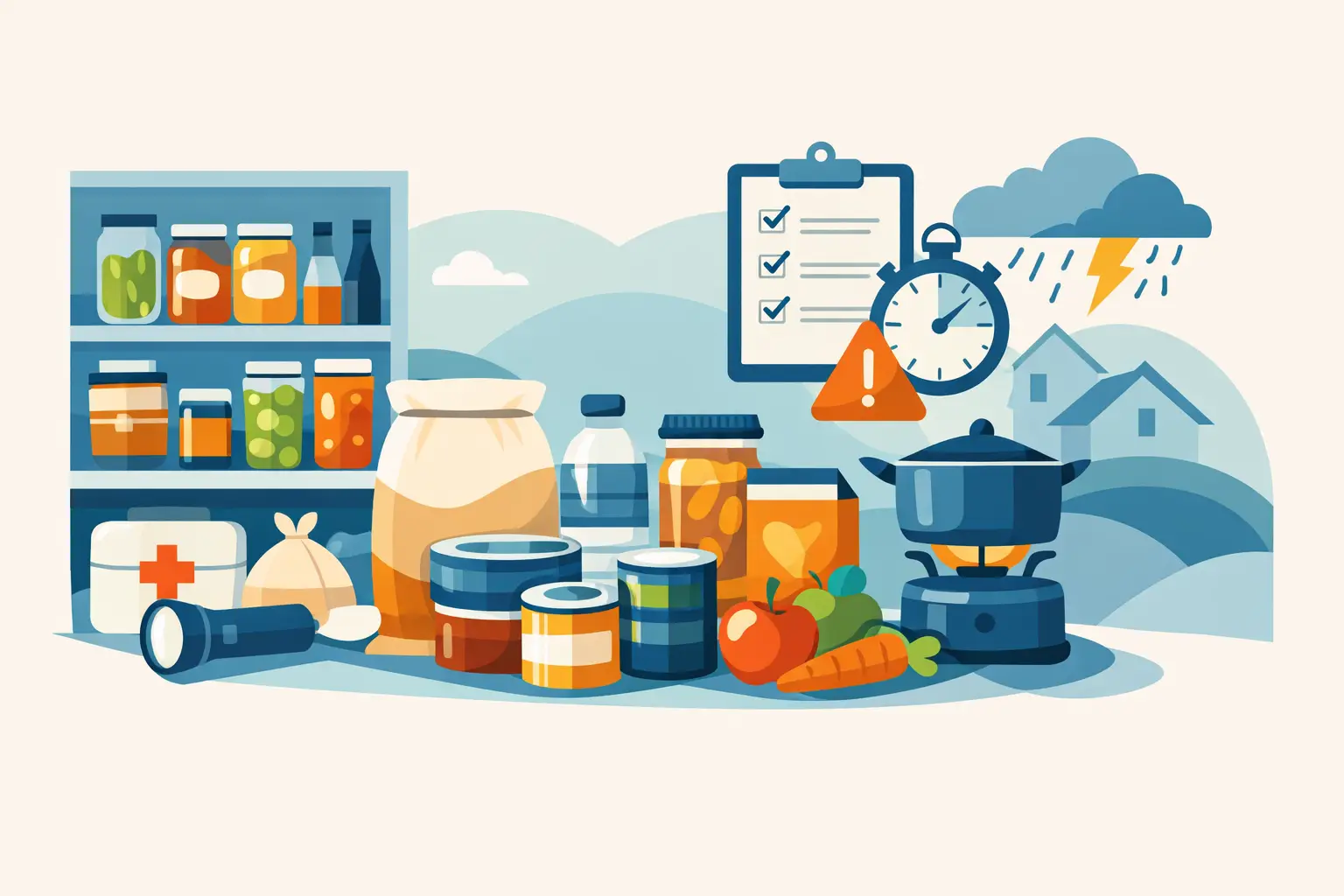
The fastest way to build a useful pantry is to think in categories. You need drinkable water, easy calories, protein, fats, shelf-stable fruits and vegetables, comfort items, and a small amount of food that requires little or no cooking. That mix gives you flexibility if the power stays on, goes out, or comes back intermittently.
Budget matters here. If you are building from zero, do not try to finish in one shopping trip. Add a few extra items each week. That approach spreads out cost, lets you watch for discounts, and reduces buyer mistakes. It also fits how most real households shop.
Start with water before food
Food gets the attention, but water is the first line item. A general baseline is one gallon per person per day for at least three days, with two weeks being more comfortable if you have the space. That includes drinking and very basic sanitation. If you have kids, pets, or a hot climate, plan higher.
Store a mix of formats if possible. Cases of bottled water are straightforward, but they take up room and need rotation. Larger containers are more efficient for storage, but they are heavier. If your area has weather-related outages or water quality issues, a backup filtration or purification method adds resilience. Water is not glamorous, but it is the category you will regret skipping first.
Build around food you already know you use
For the food side, begin with familiar shelf-stable items. Rice, pasta, oats, peanut butter, canned beans, canned tuna or chicken, soups, chili, tomatoes, broth, cereal, shelf-stable milk, crackers, and granola bars all make sense because they are easy to work into normal meals. If your household already eats these, rotation happens naturally.
This is where a lot of people overcomplicate things. You do not need a perfect prepper menu. You need enough food to cover breakfast, lunch, dinner, snacks, and a few low-effort meals when stress is high. Think about what your family reaches for when everyone is tired or the kitchen setup is limited. Those are often the right emergency pantry items.
The core categories every pantry should cover
An emergency pantry works best when each category solves a different problem. Carbs provide calories and staying power. Protein helps meals feel complete and supports energy. Fats improve taste and make basic foods more filling. Canned produce fills nutrition gaps when fresh food is not available.
A practical pantry usually includes grains and starches like rice, pasta, instant potatoes, oats, and tortillas or shelf-stable bread options. Proteins often include beans, canned meat, nut butter, lentils, and protein bars. For fats, cooking oil, nuts, seeds, and shelf-stable spreads do more work than people expect.
Do not ignore flavor. Salt, pepper, spices, hot sauce, bouillon, coffee, tea, drink mixes, and a few sweets can make a rough week more manageable. The trade-off is shelf life versus usefulness. Some comfort foods do not last forever, but if they rotate through your regular routine, they earn their shelf space.
No-cook and low-cook foods matter more than you think
If the power is out or you are trying to conserve fuel, dry beans and bulk rice stop being as convenient as they looked on the shelf. That does not mean you should avoid them. It means you should balance them with ready-to-eat or quick-heat options.
Good examples include canned soups, canned pasta meals, ready rice, nut butter, crackers, canned fruit, jerky, applesauce pouches, meal bars, and shelf-stable milk. Freeze-dried meals also have a place, especially for long shelf life and compact storage, but they usually require water and sometimes heat. It depends on your setup. If you have reliable backup cooking, they are more useful. If not, lean harder on ready-to-eat items.
Shelf life is useful, but rotation is what saves money
People love long expiration dates, and for good reason. But shelf life on paper is not the same as real pantry management. The cheapest food is often the food you buy once and eat normally before replacing it.
Use a first in, first out system. Put newer items in the back and older ones in front. Label shelves by category so you can see gaps quickly. If you buy in bulk, avoid opening everything at once. Unopened goods usually last longer and stay safer from moisture and pests.
Cans generally do well for pantry storage, but condition matters. Avoid badly dented, bulging, rusted, or leaking cans. Dry goods last longer in cool, dark, dry conditions and often benefit from better containers if pests or humidity are common in your area. The best storage setup is the one you will actually maintain.
How much food should you keep?
A simple starting point is two weeks of food your household can prepare with minimal stress. Once that is in place, build toward 30 days. For many families, 30 days is where preparedness starts to feel real without becoming expensive or hard to manage.
The exact amount depends on household size, diet, storage space, budget, and whether you plan to shelter in place or support others. A family with teenagers will burn through snacks and calories faster than a single adult. A household with dietary restrictions needs more intentional planning. If someone relies on low-sodium, gluten-free, or diabetic-friendly foods, build your pantry around those requirements from day one.
Don’t forget the non-food pantry items
A functioning emergency pantry is more than food on shelves. Manual can openers, paper goods, basic cleaning supplies, matches or lighters, backup batteries, and ways to heat water or food make the pantry usable. If you store dry staples, make sure you have fuel or an alternate heat source to cook them safely.
This is also where household overlap matters. Baby formula, pet food, electrolyte drinks, and simple over-the-counter meds often get forgotten until the worst moment. Preparedness is rarely about one dramatic item. It is usually about noticing the obvious stuff before it becomes urgent.
Shop with a deal mindset, not a panic mindset
Emergency pantry stocking gets expensive when you buy emotionally. It gets efficient when you buy in layers and pay attention to price swings. Canned goods, meal bars, freeze-dried foods, drink mixes, and shelf-stable basics all go on sale at different times. If you track categories instead of chasing random products, you will build faster for less.
That is why curation helps. A focused deal feed like BestPrepping.Deals can save time if you are trying to spot useful preparedness items without digging through thousands of unrelated listings. The key is still discipline. A discount is only good if it fills a real pantry need.
Avoid buying ten of something because the percentage off looks great. Buy enough to improve your coverage, test it, and then scale up if it fits your storage space, budget, and actual eating habits.
How to stock emergency pantry supplies for the long term
Once your short-term pantry is set, you can add deeper reserves. This is where bulk staples, longer-life foods, and more specialized storage make sense. But long-term storage should come after your basic rotating pantry is solid, not before.
A balanced setup often ends up with three layers: everyday pantry foods you rotate constantly, backup shelf-stable foods for short disruptions, and longer-life reserves for bigger events or price spikes. That structure keeps the system practical. It also means your pantry still works if life stays boring, which is the best outcome anyway.
Start smaller than your ambition. Build something organized enough to use, cheap enough to maintain, and flexible enough to handle real disruptions instead of hypothetical ones. If your pantry makes next week easier, it is already doing its job.
Discover More Featured Deals
Explore our hand-picked selection of the best deals, curated daily just for you.